Understanding Pet Oxygen Therapy
As pet owners, we often find ourselves exploring various treatment options to ensure the well-being of our furry companions. One such innovative approach gaining traction in 2026 is Pet Oxygen therapy. This method provides essential oxygen enrichment for pets suffering from respiratory issues, thus enhancing their quality of life. In this article, we will delve into the benefits, applications, and processes surrounding pet oxygen therapy, providing valuable insights for pet owners looking to make informed decisions.
What is Pet Oxygen Therapy?
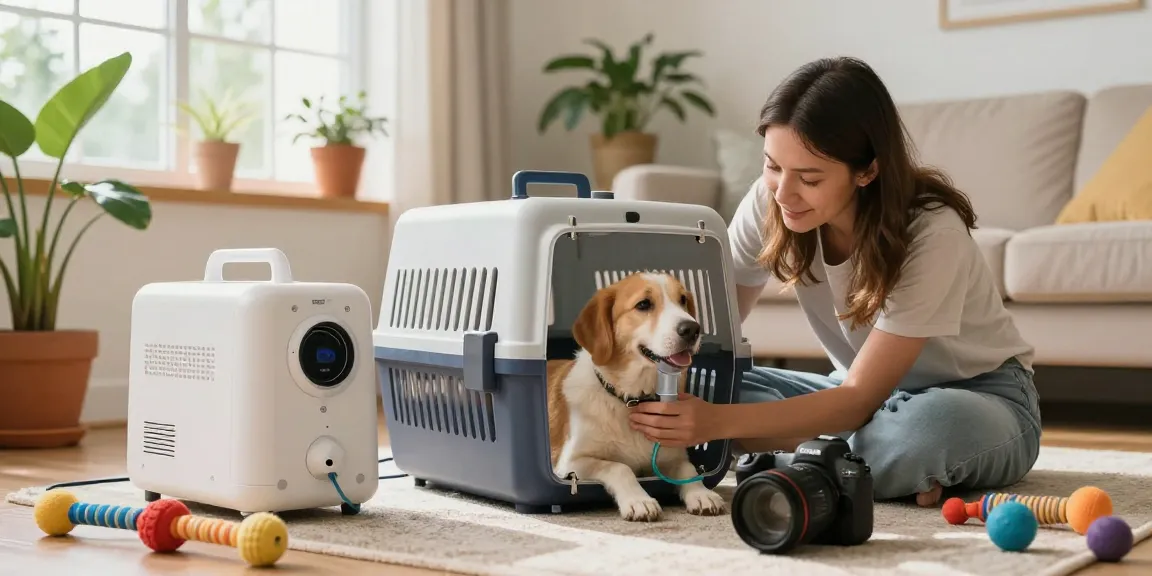
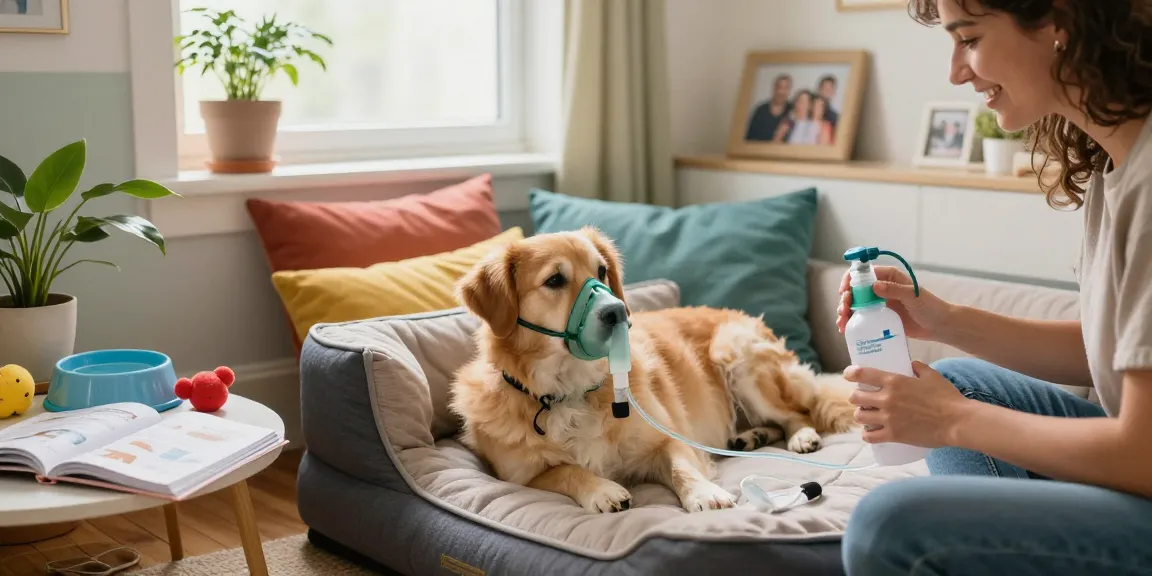
Pet oxygen therapy involves administering supplemental oxygen to pets suffering from conditions that compromise their respiratory function. This treatment can be administered in various settings, whether at home or in veterinary clinics, using specialized oxygen equipment designed for pets. By enhancing the oxygen levels in a pet’s bloodstream, this therapy can significantly alleviate symptoms of respiratory distress.
Benefits of Using Pet Oxygen
The advantages of oxygen therapy for pets are numerous. One of the primary benefits includes improved respiratory function that can lead to increased activity levels and an overall enhancement in well-being. Other notable benefits include:
- Increased energy: Pets may exhibit more vitality and playfulness.
- Better recovery: Oxygen therapy can speed up healing processes, especially after surgeries.
- Reduced anxiety: Pets with breathing difficulties often exhibit signs of stress; providing them the necessary oxygen can help alleviate this.
Common Conditions Treated with Pet Oxygen
Oxygen therapy is beneficial for various pet ailments, including but not limited to:
- Chronic bronchitis
- Pneumonia
- Heart disease
- Trauma or shock
- Post-surgical recovery
Understanding these conditions is crucial for pet owners as it helps identify when oxygen therapy may be an appropriate treatment option.
Choosing the Right Pet Oxygen Equipment
In determining the right equipment for pet oxygen therapy, it is essential to consider the specific needs of your pet and the conditions being treated. The technology and accessories used can significantly influence the effectiveness of the therapy.
Types of Pet Oxygen Machines
There are two primary types of oxygen machines commonly used for pets:
- Home Oxygen Concentrators: These are stationary units that can deliver a continuous supply of oxygen. Ideal for pets requiring ongoing treatment, they are suitable for use in a home environment.
- Portable Oxygen Machines: Designed for convenience, these machines allow pet owners to administer oxygen on the go. They are especially useful for pets that may need oxygen during travel or outdoor activities.
Essential Accessories for Effective Use
To maximize the effectiveness of pet oxygen therapy, certain accessories are vital. Some essential items include:
- Oxygen masks that fit securely on your pet
- Oxygen hoses for connecting the machine to the pet
- Oxygen humidifiers to ensure moisture levels are optimal
Factors to Consider When Renting or Buying
When deciding whether to rent or buy oxygen equipment, consider factors such as your pet’s ongoing needs, costs involved, and the terms of service. Rental options can be more flexible for temporary needs, while purchasing may be more economical in the long term for pets requiring consistent therapy.
How to Administer Pet Oxygen Treatment
Administering oxygen therapy effectively requires a systematic approach to ensure safety and comfort for your pet. Here’s a step-by-step guide to help you navigate the process.
Step-by-Step Guide for Safe Application
- Prepare the Equipment: Before starting, ensure that all equipment is clean, functional, and ready for use.
- Familiarize Your Pet: Allow your pet to explore the equipment to lessen any anxiety about the new experience.
- Administer Oxygen: Secure the mask or nasal cannula on your pet, ensuring it fits snugly without causing discomfort.
Best Practices for At-Home Oxygen Therapy
For successful home therapy, keep the following tips in mind:
- Monitor your pet’s vitals regularly.
- Limit physical activity during treatment.
- Ensure a calm environment to reduce stress.
Monitoring Your Pet’s Response and Well-being
Continuously observe your pet’s behavior and health indicators. Look for improvements or any signs of distress during treatment, and consult with your veterinarian if any concerns arise.
Understanding Rental and Purchase Options
Choosing between rental and purchase for pet oxygen equipment can be confusing. The best option often varies depending on your pet’s condition and your budget constraints.
Comparing Rental Plans for Pet Oxygen Devices
Pet oxygen equipment rental plans often cater to different needs. Evaluate the following:
- Duration of rental
- Included accessories
- Delivery and setup services
Buying vs. Renting: Pros and Cons
Renting offers flexibility and lower upfront costs, which can be beneficial for short-term needs. On the other hand, purchasing may be more cost-effective for long-term usage, especially for chronic conditions.
Transparent Pricing and No Hidden Fees for Pet Owners
When renting or purchasing oxygen equipment, pet owners should seek out providers that offer transparent pricing models, ensuring there are no hidden costs associated with the rental or purchase process.
Future of Pet Oxygen Therapy in 2026 and Beyond
As the landscape of veterinary care evolves, pet oxygen therapy is expected to experience several advancements. Innovations are likely to improve accessibility and effectiveness, ensuring more pets benefit from this essential treatment.
Emerging Trends in Pet Health Treatments
The increasing awareness around pet health is driving the development of more sophisticated treatment options, including tailored oxygen therapy solutions that cater to specific pet needs.
Expected Developments in Pet Oxygen Solutions
Advancements in technology may lead to the creation of more efficient oxygen delivery systems and user-friendly devices that enhance the delivery of care in a home setting.
Community Support and Veterinary Collaboration
As community awareness increases, collaborations between veterinary professionals and pet owners will become integral. These partnerships are essential for ensuring effective oxygen therapy and optimal pet care.
What are the signs my pet needs oxygen therapy?
Common signs that may indicate your pet requires oxygen therapy include labored breathing, persistent coughing, lethargy, and bluish or pale gums. Recognizing these symptoms early can facilitate timely intervention.
Is pet oxygen therapy safe for all pets?
While oxygen therapy is generally safe, it is crucial to consult with your veterinarian to determine if it is appropriate for your pet’s specific health conditions and needs.
How do I know if the oxygen machine is effective?
Monitoring your pet’s response to oxygen therapy—such as improvement in breathing patterns or increased activity levels—is a reliable indicator of the machine’s effectiveness.
What payment options are available for pet oxygen services?
Providers often offer various payment options, including cash on delivery, bank transfers, FPS, and more. This flexibility caters to the diverse payment preferences of pet owners.
Can I cancel my pet oxygen rental plan at any time?
Many providers offer flexible cancellation policies, allowing pet owners to cancel rental agreements with prior notice. Always check the terms of service before signing any agreements.