Understanding Fishing Gear for Cabo
Cabo San Lucas, with its stunning coastline and rich marine biodiversity, is a paradise for anglers of all levels. To make the most of your fishing experience in this vibrant locale, it is crucial to equip yourself with the right Fishing gear for Cabo. This guide will help you navigate through the various types of fishing gear available, how to choose the right equipment, and key features to consider for a successful fishing expedition.
Types of Fishing Gear Available
The fishing gear in Cabo can be as diverse as the fish you can catch. Here are some essential types to consider:
- Fishing Rods: Available in various lengths and materials, rods can range from lightweight spinning rods for inshore fishing to heavier offshore rods designed for big game species such as marlin and tuna.
- Reels: Reels come in several types, including spinning, baitcasting, and conventional reels. Spinning reels are versatile and easy to use, making them great for beginners, while conventional reels are preferred for deep-sea fishing.
- Fishing Lines: Monofilament, fluorocarbon, and braided lines are all popular options. Each comes with its unique properties concerning flexibility, visibility, and strength. For the clear waters of Cabo, invisibility can be an essential factor; thus, fluorocarbon is often preferred.
- Baits and Lures: Live bait is highly effective in Cabo, but artificial lures can also tempt various species. Popular lures include jigs, spoons, and topwater plugs, each suited to different fishing techniques and species.
Choosing the Right Gear for Your Needs
Selecting the appropriate gear is vital for maximizing your fishing experience. Consider the following factors:
- Target Species: Different fish require different techniques and gear. For example, if you are after marlin, a heavy rod and strong line are necessary, whereas smaller species like snapper may require a lighter setup.
- Fishing Environment: Determine whether you will be fishing from a boat, shore, or on a kayak, as this will dictate the gear you should select. Shore anglers may prefer lighter rods and spinning reels, while boat fishing might necessitate heavier gear.
- Skill Level: As a beginner, opt for user-friendly gear. Spinning setups are generally recommended for their ease of use, while experienced anglers may want personalized setups involving baitcasting for greater control.
Key Features to Look For
When purchasing fishing gear, certain features can enhance your overall experience:
- Durability: Choose gear made from materials designed to withstand the harsh marine environment, such as corrosion-resistant reels and UV protection on lines and rods.
- Weight and Portability: Lightweight gear is essential for easy transport, especially if you'll be hiking to remote fishing spots.
- Comfort: Look for ergonomic handles on rods and reels; comfort while holding equipment for extended periods can lead to a more enjoyable experience.
- Sensitivity: A sensitive rod can help detect subtle bites, which can be critical in catching shy species.
Top Fishing Techniques in Cabo
Cabo offers a variety of fishing techniques suited for both novices and expert anglers. Understanding these methods will not only improve your chances of success but also enhance your overall enjoyment of the sport.
Popular Fishing Methods Explained
Here are some commonly used fishing techniques in Cabo:
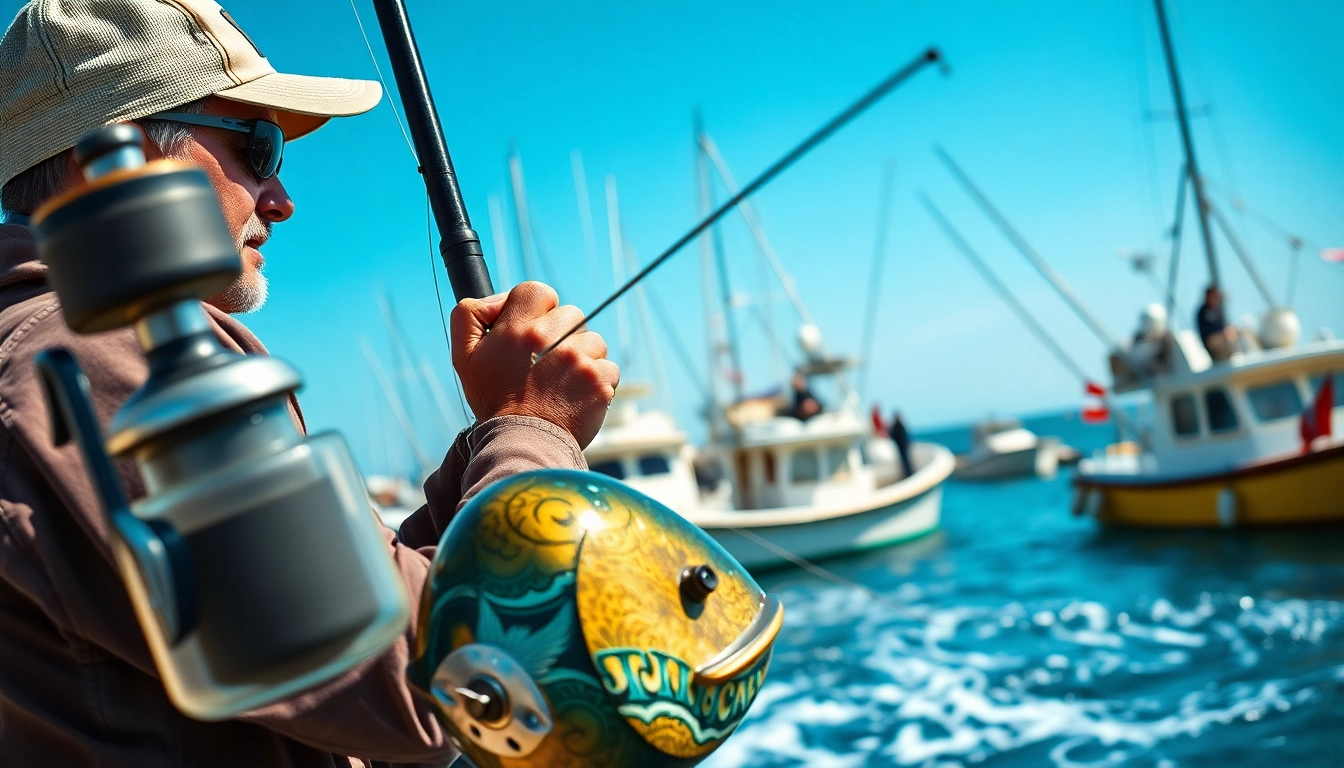
- Deep Sea Fishing: This technique is highly favored by anglers looking to catch larger species such as tuna, marlin, and swordfish. It typically involves traveling far from shore and using heavy gear.
- Inshore Fishing: Focused on catching species such as snapper, grouper, and yellowtail, inshore fishing can be done from boats or the shoreline using lighter gear.
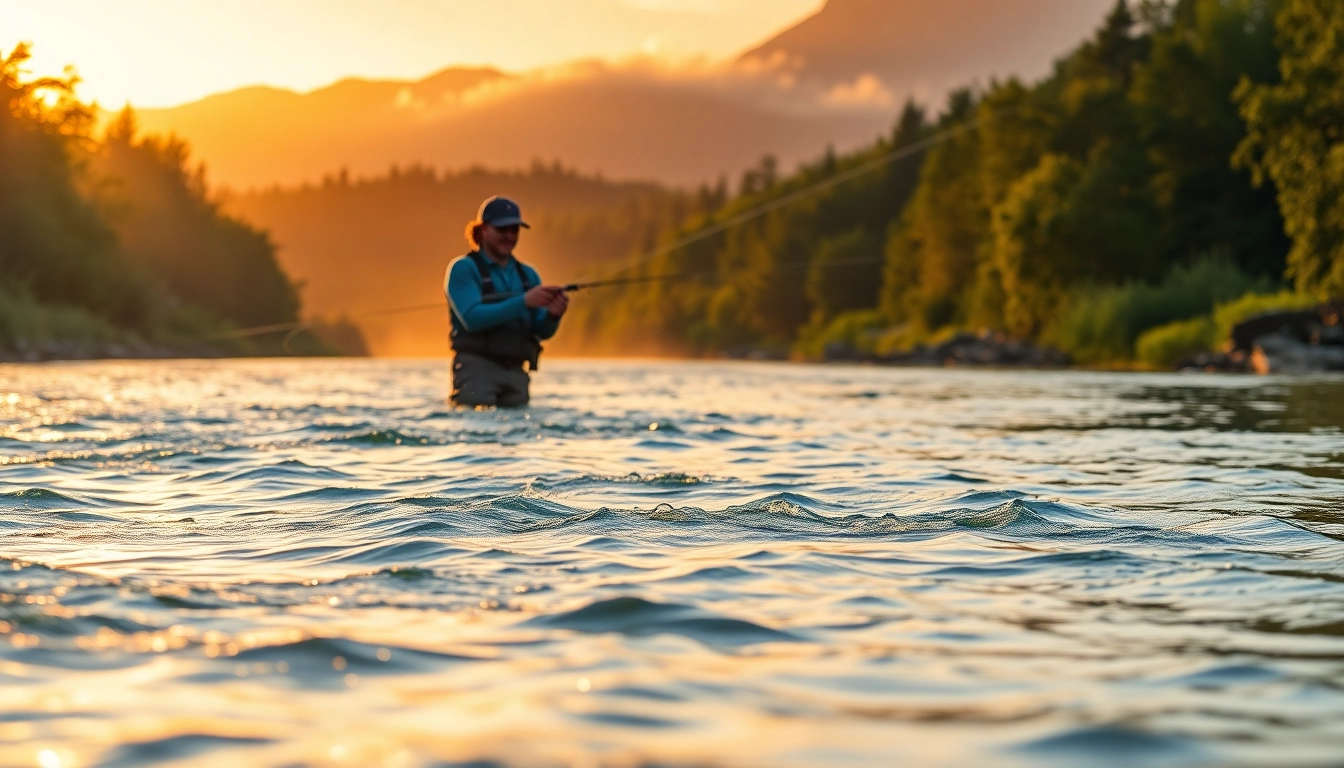
- Fly Fishing: For experienced anglers, fly fishing presents a unique challenge. It often targets species like dorado or roosterfish found closer to the shore, utilizing lighter setups and specialized techniques.
- Trolling: This involves dragging lures through the water behind a moving boat to attract predatory fish. Trolling is effective for targeting large pelagic species during their migratory patterns.
Seasonal Considerations for Fishing
Cabo’s fishing landscape changes dramatically throughout the year due to migration patterns and spawning seasons. Here’s how seasons affect your fishing:
- Winter (December to February): This is prime time for billfish like sailfish and striped marlin. The cooler waters attract a surplus of larger predators.
- Spring (March to May): As the temperatures start to rise, you can expect to catch a range of species from dorado (mahi-mahi) to yellowfin tuna.
- Summer (June to August): This season is particularly fruitful. The warmer waters enhance activity, making it an excellent time for catching dorado and billfish.
- Fall (September to November): Fall is marked by the tail end of the fishing season where the more migratory species like marlin start to dwindle, but inshore fishing remains strong.
Essential Skills for Successful Fishing
Having the right gear is only part of the equation; skills are equally essential in fishing. Focus on honing the following skills:
- Casting: Practice your casting technique to increase your effectiveness in targeting fish. Different techniques such as overhead casting, sidearm, and roll casting can be beneficial.
- Understanding Fish Behavior: Knowing where fish are likely to be based on water temperature, tides, and time of day can lead to more successful outings.
- Reeling Techniques: Efficient reeling techniques are crucial. Learn to vary your retrieve speed based on the species you are after.
- Patience and Persistence: Fishing requires patience. Recognizing when to keep trying and when to change strategies is a skill in itself.
Where to Buy Fishing Gear for Cabo
Finding quality fishing gear that suits your needs is essential for your fishing adventures. Fortunately, Cabo offers various options for purchasing equipment.
Local Retailers vs. Online Stores
Deciding where to buy your fishing gear—the convenience of online shopping or the experience of local shops—has its pros and cons.
- Local Retailers: Shopping at local fishing shops allows you to seek expert advice tailored to the area, test gear in hand, and sometimes get exclusive deals.
- Online Stores: Online shops provide a wider array of products and often slightly better prices due to competition. However, they lack the personal touch and local expertise found in stores.
- Hybrid Approach: Many anglers benefit from a combination of both methods—visiting local shops for general advice and then purchasing specific items online.
Comparative Pricing of Gear Options
Pricing can vary greatly depending on several factors, including brand, type of gear, and retailer. Here's how you can ensure you are getting good value:
- Budgeting: Set a budget before you start shopping to avoid overspending, especially if you are new to fishing gear.
- Quality vs. Cost: While it can be tempting to go for cheaper options, investing in quality gear can save you money over time through durability and performance.
- Discounts and Sales: Keep an eye on local fishing expos and seasonal sales to score great deals on fishing gear.
Accessories That Enhance Your Experience
Beyond the primary fishing gear, several accessories can prove invaluable in enhancing your experience:
- Fishing Tackle Boxes: These keep your bait, tackle, and tools organized and accessible.
- Fish Finders: These devices help identify schools of fish and underwater structures, making it easier to locate your target.
- Coolers and Ice Packs: Keeping your catch fresh is crucial; having a reliable cooler can greatly enhance your fishing trip.
- Clothing and Sun Protection: Invest in UV-resistant clothing, hats, and sunscreen to protect against the sun, especially during hot fishing days.
Maintenance Tips for Fishing Gear
Proper maintenance of your fishing gear can extend its life and enhance performance, allowing more enjoyable fishing experiences in the long run. Follow these guidelines to keep your equipment in top shape.
Cleaning and Storing Your Equipment
No matter how well you care for your gear, if it is not cleaned properly after use, saltwater or dirt can cause corrosion. Here’s how to maintain your equipment:
- Freshwater Rinse: Always flush your gear with freshwater after fishing in saltwater. This removes salt and prevents corrosion.
- Proper Drying: Allow your gear to dry naturally before storing it. Avoid direct sunlight, which can degrade materials over time.
- Temperature Control: Store your fishing gear in a temperature-controlled environment to minimize material degradation.
Repairing Common Gear Issues
Having a basic understanding of how to repair common gear issues is essential; this will save you time and money:
- Line Breaks: If you experience a line break, it’s often due to wear and tear. Always inspect your line and replace it as needed.
- Rod Repairs: For minor rod damages such as guides or tips, it may be possible to reattach or replace them with simple DIY methods. For significant breakages, consulting a professional is advised.
- Reel Maintenance: Regular maintenance of your reel, including cleaning and lubrication, can prevent more significant failures.
Prolonging the Life of Your Gear
In addition to cleaning and repairs, implementing preventive measures can help maximize the lifespan of your fishing gear:
- Routine Inspections: Regular checks for wear and tear can catch small issues before they become significant problems.
- Proper Use: Always use equipment for its intended purpose. Overloading a reel or misusing rods can lead to premature failure.
- Spool Management: Regularly changing your spool and using the right line types for your fishing technique can help prevent issues during use.
Engaging with the Fishing Community
Fishing is not merely an activity; it's a community. Engaging with fellow anglers can enhance your experiences and offer opportunities for learning and camaraderie.
Connecting with Local Fishing Charters
One excellent way to immerse yourself in the Cabo fishing community is by joining local fishing charters. Here's how to benefit:
- Guided Experiences: Charters often provide expert guidance, helping you learn the local waters, tips, and techniques that can significantly enhance your fishing skills.
- Networking Opportunities: These charters can connect you with other anglers and build relationships that may last beyond the trip.
- Shared Knowledge: Fellow anglers are often more than willing to share their tips and experiences, allowing for a deeper understanding of the fishing culture in Cabo.
Participating in Fishing Events and Tournaments
Engaging in local tournaments can add excitement to your fishing ventures in Cabo:
- Competition: Tournaments come with competitive spirit which can motivate you to enhance your fishing skills.
- Prizes and Recognition: Many competitions offer great prizes and can provide recognition within the fishing community.
- Learning Opportunities: Participation can provide learning moments from experienced anglers, expanding your knowledge base.
Sharing Your Experiences and Learning from Others
Lastly, engaging in discussions through social media or fishing blogs helps you stay connected with trends and techniques while also sharing your journey:
- Social Media Groups: Join fishing groups on platforms like Facebook or Instagram to share tips, stories, and photos with fellow fishing enthusiasts.
- Online Forums: Participate in forums dedicated to fishing discussions. These platforms allow you to ask questions and gain insights from diverse fishing experiences worldwide.
- Blogs and Vlogs: Consider starting your own blog or vlog to document your fishing adventures. This not only allows you to share insights but also contributes to the larger fishing community.
By understanding the essentials of fishing gear for Cabo, mastering fishing techniques, and engaging with the fishing community, you can enhance your overall fishing experience. Remember, each outing is an opportunity to learn, and the gear you choose plays a pivotal role in that journey.