Understanding Fly Fishing Lines
What is Fly Fishing Line?
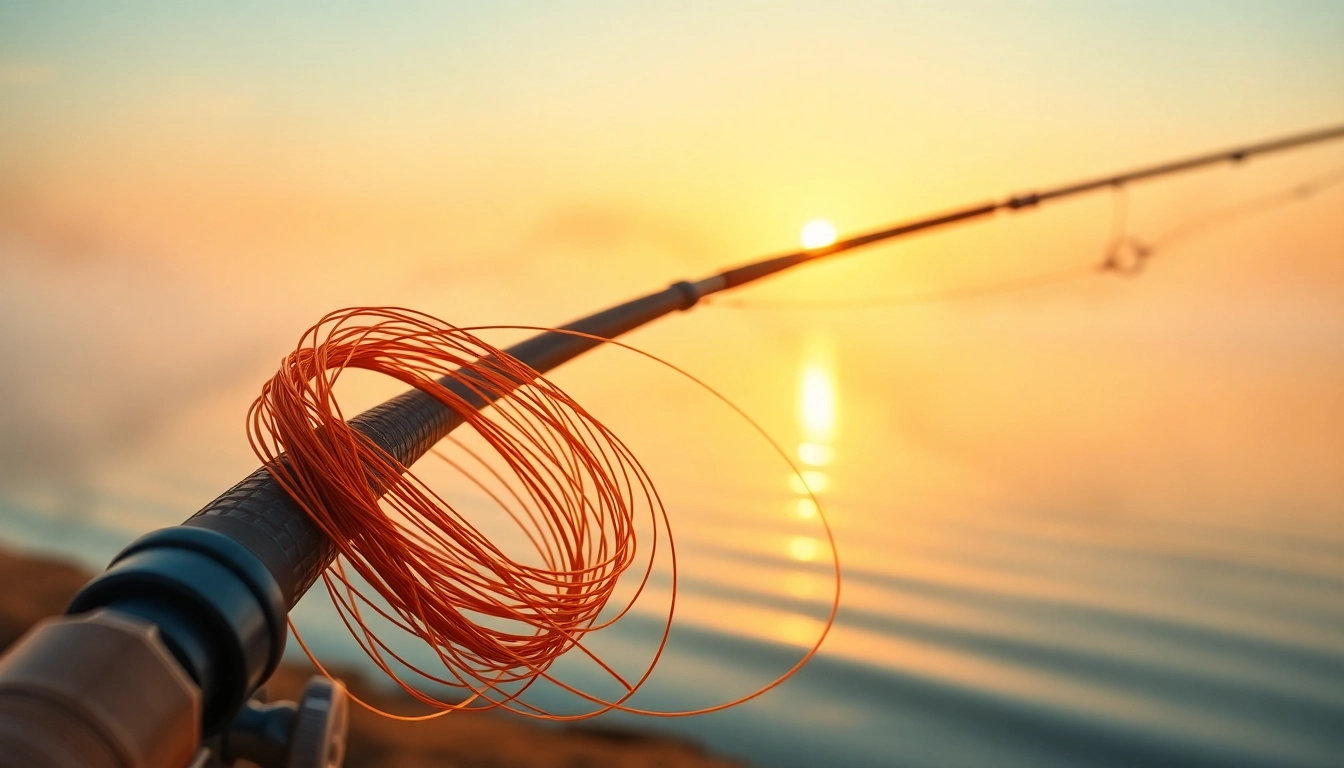
Fly fishing line is a specialized type of fishing line designed specifically for the unique requirements of fly fishing. Unlike traditional fishing lines, which use knots and weights to cast, fly fishing lines employ a heavier front section that allows the angler to deliver lightweight flies through the air. The line’s unique construction facilitates a delicate presentation on the water, attracting fish without causing disturbances.
The development of fly fishing lines has evolved over the years, incorporating advanced materials and technologies that enhance performance. Today's lines are crafted from high-quality polymers that provide durability and reduce memory, which helps in achieving smooth casts and precise presentations. For more information on fly fishing techniques and products, you might explore Fly fishing line options available online.
Types of Fly Fishing Line
Understanding the types of fly fishing lines available is crucial for anglers looking to optimize their fishing experience. Here are the main categories of fly fishing lines:
- Weight Forward (WF): The most common type, designed with a heavier front section for easier casting and distance. Ideal for beginners and versatile conditions.
- Double Taper (DT): Symmetrical in design, providing a balanced casting experience. Perfect for short-distance casting and delicate presentations.
- Shooting Head: A specialized line that consists of a short, heavy front section, facilitating long-distance casts with reduced drag.
- Full Sinking: Designed to sink entirely, suitable for targeting fish at various depths. Ideal when fishing in deep waters or for species that dwell below the surface.
- Intermediate: A hybrid line that sinks slowly, maintaining a depth just below the water's surface, effective for nymphing and streamer fishing.
Common Uses of Fly Fishing Line
Fly fishing lines serve various functions depending on the angling technique and targeted species. Here are some of the most common uses:
- Nymphing: Utilizing floating lines with a nymph leader setup to mimic drifting insects below the surface.
- Dry Fly Fishing: Floating lines allow for the presentation of dry flies, attracting fish to the surface.
- Streamer Fishing: Using sinking or intermediate lines to deliver streamers effectively, imitating baitfish or larger prey.
- Saltwater Fishing: Specialized lines designed for durability in saltwater environments, targeting various saltwater fish species.
Choosing the Right Fly Fishing Line
Factors to Consider for Fly Fishing Line
Selecting the right fly fishing line is pivotal for optimizing your fishing experience. Here are some important factors to consider:
- Weight: Match the line weight to the rod’s weight for optimal performance. A mismatch can hinder casting distance and accuracy.
- Type of Water: Assess whether you're fishing in freshwater or saltwater, as this influences the materials and types of line suitable for your environment.
- Target Species: Different species require various fishing techniques, dictating the type of fly line you need.
- Weather Conditions: Windy days may require heavier lines for stability, whereas calm days allow for finesse with lighter lines.
Matching Fly Fishing Line with Rods
To achieve the best performance in fly fishing, it's essential to match your fly fishing line with the appropriate rod. Here’s how:
- Check Line Weight: The line weight should correspond with the rod's weight rating. If your rod is rated for a 5-weight line, choose a 5-weight line.
- Choose the Correct Length: The length of your line influences casting distance. Longer lines are beneficial for long-distance casts, while shorter lines provide precision.
- Consider the Action: A rod with fast action requires a stiffer line for better responsiveness, while a slow action rod works well with a softer line.
Best Practices for Fly Fishing Line Selection
Adopting best practices in selecting fly fishing line can significantly enhance your success on the water. Here are some to consider:
- Do Your Research: Understand the various types of lines available and how they relate to your specific fishing needs.
- Test Lines: Before commitment, test different lines with your rod to gauge performance and make adjustments if necessary.
- Seek Expert Advice: Consult with seasoned anglers or local tackle shops for recommendations based on your fishing style and preferences.
Maintenance and Care for Fly Fishing Lines
How to Clean Fly Fishing Line
Maintaining your fly fishing line in good condition is essential for optimal performance. To clean your line:
- Use a soft cloth and warm water mixed with mild soap to gently clean the line.
- Reel in the line completely before cleaning to avoid tangling. Ensure all dirt and debris are removed.
- Rinse with clean water and let it dry thoroughly before storing.
Storing Your Fly Fishing Line Properly
Proper storage of your fly fishing line prolongs its life and maintains performance. Here are some tips:
- Use Line Spools: Store lines on their original spools or in designated line boxes to prevent tangling or damage.
- Avoid Heat Exposure: Keep your lines in a cool, dry place away from direct sunlight and heat sources that can degrade material.
- Re-Check Regularly: Periodically check the line for cracks, frays, or memory. This ensures that your line is always ready for use.
Common Issues with Fly Fishing Line
Understanding common issues can help in mitigating problems when using fly fishing lines:
- Line Memory: Coiling or bending can occur from improper storage, leading to tangles during casting.
- Fraying: Regular inspection is essential to catch frays early, which can lead to breakage when casting.
- Dirty Lines: A dirty line affects casting distance. Regular cleaning helps maintain performance.
Enhancing Your Fly Fishing Experience
Techniques for Casting Fly Fishing Line
Effective casting techniques are vital for successful fly fishing. Consider these techniques:
- Overhead Cast: The most common cast involves loading the rod with a backward movement before shooting the line forward smoothly.
- Roll Cast: Ideal for tight quarters, this technique requires minimal back casting space, using a flicking motion.
- Double Haul: A two-part casting technique that adds distance by pulling the line during both the back and forward cast.
Best Conditions for Using Fly Fishing Line
Understanding the optimal conditions for using your fly fishing line can significantly enhance your success:
- Wind Conditions: Choose heavier lines on windy days to cut through the wind effectively.
- Time of Day: Early mornings or late evenings are typically more productive due to fish activity levels.
- Water Clarity: Clear waters require subtle presentations, while murky waters may allow for more aggressive tactics.
Upgrading Your Gear with Fly Fishing Line
One key to improving your fly fishing experience is understanding when and how to upgrade your gear:
- Assess Your Performance: If you find regular tangling or casting issues, a new line may solve these problems.
- Evaluate Your Fishing Style: Consider upgrading to specialty lines designed for specific techniques that suit your fishing preferences.
- Stay Updated: Regularly check for advancements in line technology to enhance your fishing success.
FAQs About Fly Fishing Lines
What is the best type of Fly fishing line for beginners?
The Weight Forward (WF) fly line is typically the best choice for beginners due to its versatility and ease of casting.
How often should I replace my Fly fishing line?
Generally, replace your Fly fishing line every 1-3 years, depending on frequency of use and signs of wear and tear.
Can I use the same Fly fishing line for saltwater and freshwater?
While some lines are labeled for both, it's best to use lines specifically designed for saltwater due to durability against harsh conditions.
What's the difference between floating and sinking Fly fishing line?
Floating Fly fishing line stays on the surface for dry flies, while sinking lines are designed to go below the surface, ideal for nymphs and streamers.
How do I know what weight Fly fishing line to use?
Refer to your rod's specifications to determine the matching line weight, which optimizes casting performance and accuracy.