1. Introduction to Shower Screen Door
What is a Shower Screen Door?
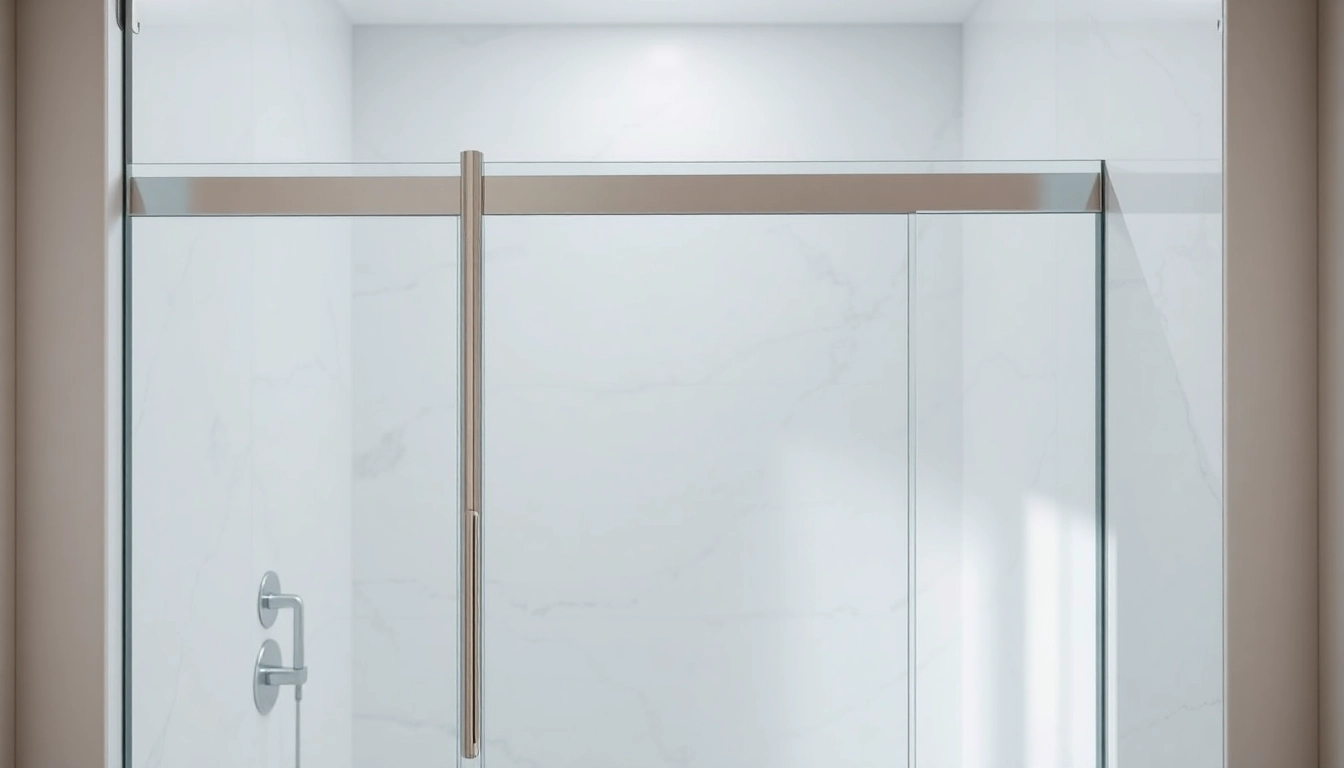
A shower screen door is a modern, stylish alternative to traditional shower curtains. Made from glass or a combination of materials, shower screen doors offer an elegant way to enclose your shower area, creating a cleaner and more spacious bathroom appearance. Unlike curtains, which can absorb moisture and become moldy, shower screen doors are easy to clean and maintain, making them a popular choice for contemporary bathrooms.
Benefits of a Shower Screen Door
There are several clear advantages to choosing a shower screen door over a traditional shower curtain:
- Durability: Shower screen doors are typically made of tempered glass or sturdy materials, ensuring they withstand daily wear and tear.
- Style: They provide a sleek, modern look that enhances the aesthetic of any bathroom, available in various designs and finishes.
- Easy Maintenance: Glass surfaces are easy to wipe down, and many are treated with special coatings to resist water spots.
- Water Containment: Unlike curtains, shower screen doors effectively prevent water from escaping, keeping your bathroom floors dry.
- Light Enhancement: Glass doors allow natural light to flow in, creating a more open and inviting atmosphere.
Types of Shower Screen Doors
Choosing the right shower screen door involves understanding the various styles available to suit diverse aesthetic preferences and practical needs:
- Sliding Doors: Ideal for smaller spaces, these doors slide along a track to open and close, making them convenient and space-saving.
- Hinged Doors: These doors swing open outward and are suitable for larger shower enclosures, offering a traditional look.
- Bi-fold Doors: A great option for compact areas, bi-fold doors fold neatly away, maximizing available space.
- Frameless Doors: Providing a clean, modern aesthetic, frameless doors offer minimal obstruction, enhancing the perception of space.
- Curved Doors: These are designed for corner showers, elegantly curved to fit snugly into a corner.
2. Choosing the Right Shower Screen Door
Materials and Styles
Selecting the appropriate material and style for your shower screen door is crucial for functionality and aesthetics. Common materials include:
- Tempered Glass: Secured to withstand thermal stress, tempered glass is the most popular choice due to its strength and safety.
- Acrylic: Lightweight and shatter-resistant, acrylic is an alternative that might be more suitable for specific budget constraints.
- Composite Materials: These combine various materials for enhanced durability and design flexibility, often used in custom configurations.
Consider your overall bathroom design when selecting a style. A minimalist, frameless design can visually open up a small space, whereas framed options provide a classic look.
Measuring for Your Shower Screen Door
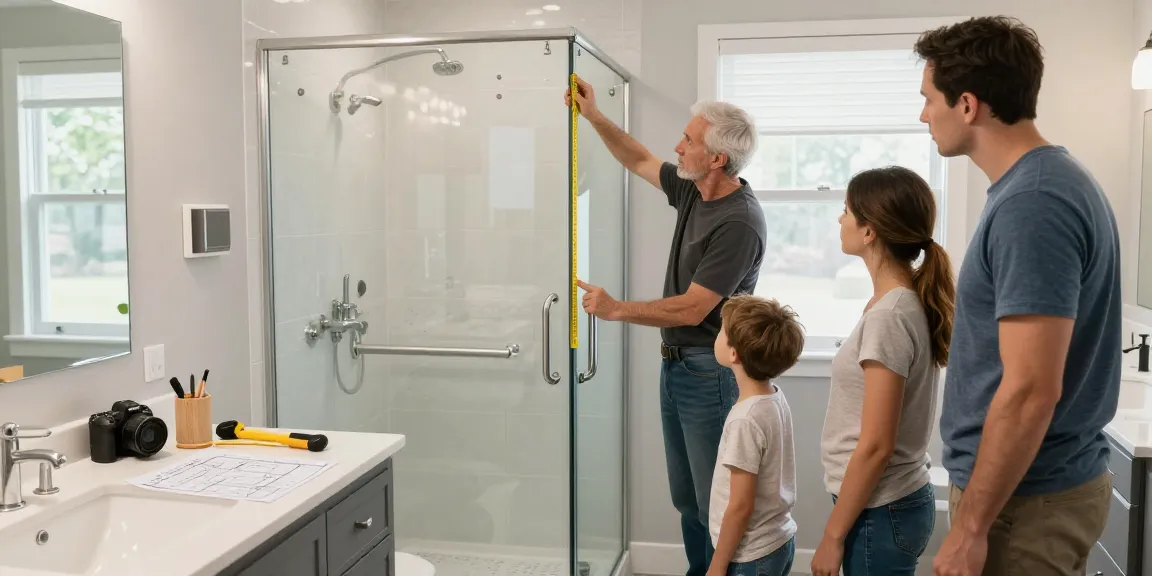
Accurate measurements are vital for ensuring a proper fit for your shower screen door. Follow these steps:
- Measure the Width: Measure the opening where the door will be installed at the top, middle, and bottom. Use the smallest measurement for your order.
- Measure the Height: Measure from the threshold of the shower to the top of the enclosure. Double-check for any obstructions.
- Assess the Wall and Floor: Ensure that the walls are level and the floor is even to prevent installation issues.
Budget Considerations
Your budget will influence the type and style of shower screen door you select. On average, prices can range significantly based on materials and installation complexity:
- Economical Options: Budget acrylic or framed glass doors may start around decent price options.
- Mid-Range Choices: Tempered glass doors with stylish designs or finishes generally fall within the mid-range price point.
- High-End Doors: Custom framed or frameless doors, especially those featuring unique designs, can command high prices.
Assess your total bathroom renovation budget to allocate a suitable amount for the shower screen door, and consider the long-term benefits of investing in durable materials.
3. Installation Process for Shower Screen Door
Preparing the Space
Before the installation process, ensure that the area is prepped adequately. Begin by clearing the space of any obstructions, such as furniture or existing shower curtains. Check that the walls are clean and dry to facilitate tight seals and adhesion. If you’re replacing an existing screen or curtain, remove all components, including any old hardware.
Step-by-Step Guide to Installation
While it’s advisable to hire a professional for installation, understanding the process can help you if you decide to take on this task yourself:
- Gather Tools: You will typically need a level, drill, screws, and silicone sealant.
- Install the Track: For sliding doors, securely mount the upper track to the wall, ensuring it’s level.
- Hang the Doors: Lift the doors onto the track, positioning them according to manufacturer instructions.
- Secure Hinges: If you’re using hinged doors, attach hinges to the wall and door securely.
- Apply Sealant: Remove any excess materials and apply silicone around the edges to prevent water leakage.
Common Mistakes to Avoid
When installing a shower screen door, common pitfalls can complicate the process. Here are some tips to steer clear of issues:
- Incorrect Measurements: Always double-check measurements before purchasing a door. Erroneous sizing can lead to costly mistakes.
- Poor Leveling: An uneven installation can cause doors to not operate correctly or create gaps that let water escape.
- Neglecting Sealant: Failing to use sealant can result in water damage behind the wall or mold growth.
4. Maintenance Tips for Shower Screen Door
Cleaning Techniques
Maintaining the cleanliness of your shower screen door increases its lifespan and keeps your bathroom looking pristine. Follow these cleaning methods:
- Regular Wipe-Down: Use a squeegee after every shower to prevent water spots and soap scum buildup.
- Use Mild Cleaners: Opt for non-abrasive cleaners to avoid scratching the glass; a vinegar solution can be effective.
- Deep Cleaning: Monthly, perform a thorough clean using a soft cloth and glass cleaner for a streak-free shine.
Preventing Water Spots
Water spots can be an eyesore. To avoid them, consider these options:
- Apply Water-Repellent Coatings: Many manufacturers offer coatings to reduce mineral buildup on glass surfaces.
- Ensure Proper Ventilation: Good bathroom ventilation lowers humidity, aiding in quicker drying of glass surfaces.
- Routine Care: Make it a habit to wipe down surfaces after showers and routinely check for any buildup.
Long-Term Care and Maintenance
Beyond cleaning, maintain the hardware and seals of the shower screen door. Routinely check for loose screws, replacing any that are worn. Ensure that seals remain intact, and if you notice signs of mildew on rubber seals, consider replacing them altogether.
5. FAQs on Shower Screen Door
What is the average cost of a shower screen door?
The average cost of a shower screen door can range from budget-friendly options at a few hundred to premium custom designs that could exceed a thousand, depending on materials and style.
Can I install a shower screen door myself?
Yes, if you're comfortable with basic tools and follow instructions closely, a shower screen door can be installed yourself, though professional help is recommended for complex designs.
How do I clean my shower screen door?
Regularly wipe the door with a squeegee after use and clean it monthly with a soft glass cleaner. Avoid harsh chemicals to preserve the glass finish.
Are shower screen doors compatible with all shower types?
Most shower screen doors are versatile and can fit various styles, but it’s essential to verify compatibility based on shape and layout before purchase.
What design options are available for shower screen doors?
A wide array of designs including framed, frameless, sliding, hinged, and bi-fold doors are available. Choose based on aesthetic preference and space requirements.