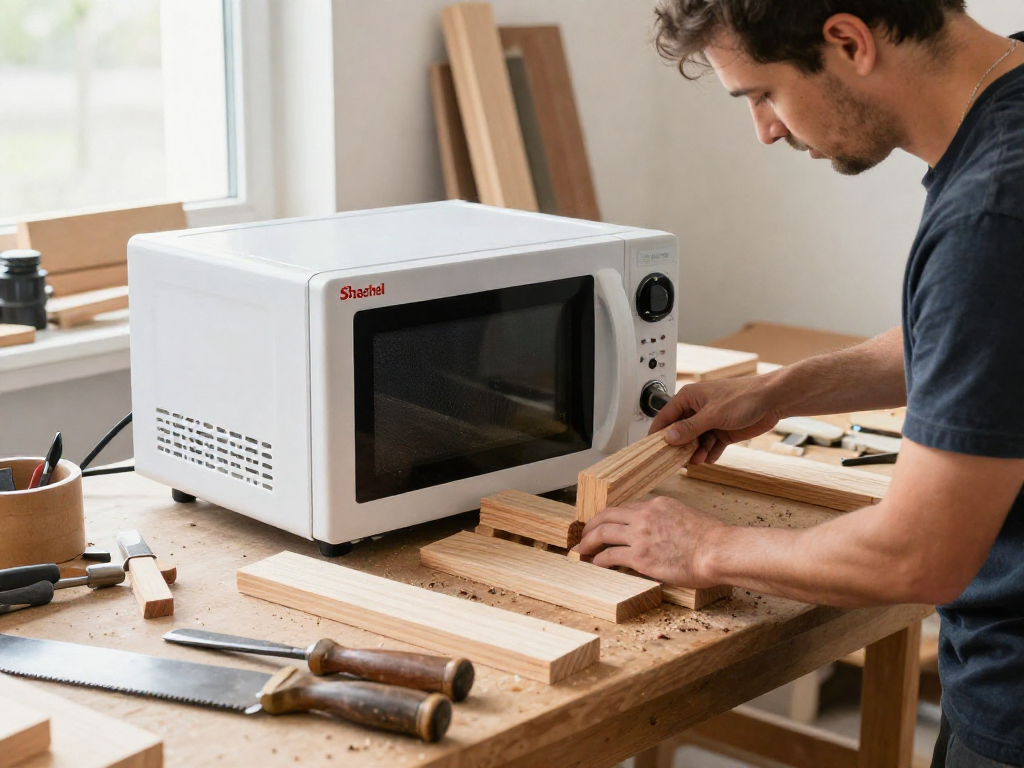
Understanding Wood Borers: Identification and Impact
Wood borers are notorious pests that pose a serious threat to wooden structures and furnishings. These insects, which include various species of beetles, can cause significant damage by tunneling into wood to lay their eggs. As their larvae grow, they consume the wood from the inside out, often leading to structural instability and aesthetic damage. For industries reliant on wood, understanding these pests is crucial in order to implement effective prevention and treatment strategies. When exploring options, Shashel provides comprehensive insights into modern solutions for wood borer management, specifically through innovative microwave technology.
What are Wood Borers and How Do They Damage Wood?
Wood borers, often in the form of beetles such as the common furniture beetle or the powderpost beetle, are recognized for their destructive feeding habits. Adult beetles typically lay eggs in cracks and crevices of wood, where larvae hatch and begin to burrow into the wood. This activity not only weakens the structural integrity of wooden items but can also lead to costly repairs and replacements. The damage is not always immediately visible, making early detection vital for mitigating severe harm.
Signs and Symptoms of Wood Borer Infestations
Identifying a wood borer infestation early on can save significant time and resources. Key indicators include:
- Presence of frass (wood dust) at exit holes
- Visible exit holes in wooden surfaces
- Softened or hollow-sounding wood
- Dead beetles or larvae around infested areas
If you notice any of these signs, it's essential to act swiftly to assess the situation and consider professional treatment options.
The Economic and Structural Impact of Wood Borers
The economic repercussions of wood borers can be substantial. In furniture and construction industries, wood borer infestations lead to increased maintenance costs and a decline in product quality. Structures affected by significant infestations can face safety hazards, resulting in potential liability issues for businesses. Therefore, implementing proactive measures for prevention and control is crucial for minimizing risks related to wood borers.
The Revolutionary Benefits of Shashel Technology
Shashel's innovative approach to pest control leverages microwave technology to effectively eliminate wood borers in a matter of minutes. This method stands out not only for its efficiency but also for its safety and gentleness on wood materials. Unlike traditional chemical treatments, which can leave harmful residues, Shashel’s technology ensures that wood remains untouched while effectively removing pests.
How Shashel Uses Microwaves for Wood Pest Control
The Shashel system employs microwave energy to penetrate wood materials, heating the infested areas to a temperature lethal to pests. This process is quick and targeted, allowing for rapid treatment without damaging the wood structure. Such an approach not only eliminates existing infestations but also serves as a preventative measure against future outbreaks.
Comparing Shashel to Traditional Pest Control Methods
When comparing Shashel’s microwave treatment to traditional methods such as chemical sprays or heat treatments, several advantages become apparent:
- Speed: Shashel can treat large volumes of wood quickly, often within minutes.
- Safety: There are no harmful chemicals involved, making it safer for both operators and the environment.
- Effectiveness: The method ensures full penetration, effectively killing pests at all life stages.
- Quality Preservation: Wood retains its integrity and appearance post-treatment.
Success Stories: Real-World Applications of Shashel Technology
Various industries, from furniture manufacturing to construction, have reported successful outcomes using Shashel technology. For example, a prominent furniture manufacturer in Europe faced recurrent wood borer issues that jeopardized their production quality. After implementing Shashel’s microwave treatment, they not only eradicated the infestation but also improved their overall product durability. Such success stories underscore the potential of Shashel equipment in combating wood pests effectively.
Best Practices for Wood Processing with Shashel Equipment
To maximize the effectiveness of Shashel technology, it is essential to follow best practices during wood processing.
Preparing Wood for Microwave Treatment
Before treatment, ensure that the wood is clean and free of any coatings or finishes that could obstruct microwave penetration. It's also advisable to stack wood materials properly to allow adequate airflow and even exposure to the microwaves.
Operating Shashel Equipment Safely and Effectively
When operating Shashel equipment, it's crucial to adhere to all safety protocols. This includes wearing appropriate protective gear, ensuring proper calibration of the machinery, and being trained in its use. Operators should understand how to monitor the treatment process to avoid any potential damage to the wood.
Post-Treatment Care for Wood Products
Once treatment is complete, allow wood to cool and ventilate properly before storage or further processing. This step helps to maintain wood quality and ensures any residual moisture evaporates, preventing potential mold growth.
Common Misconceptions and Challenges
Despite the advantages of Shashel technology, some misconceptions may hinder its adoption in wood processing industries.
Myths About Microwave Pest Control
One common myth is that microwave treatments are ineffective against all life stages of wood-boring pests. However, studies have shown that the microwave energy effectively targets and annihilates not just larvae but also adults and their eggs, ensuring comprehensive pest control.
What to Expect: Realistic Outcomes with Shashel
While Shashel technology offers superior pest control, it is essential to have realistic expectations. Complete elimination of pests can vary based on factors such as wood type and infestation severity. Generally, users report substantial decreases in pest populations following treatment, leading to healthier wood products.
Challenges and Solutions in Using Shashel Equipment
Some users may initially face challenges in understanding the equipment's operational intricacies. Providing adequate training and support is vital to overcoming these hurdles. Moreover, as with any technology, regular maintenance and calibration of the Shashel system can enhance its longevity and effectiveness.
Future Trends in Pest Control Technology (2026 and Beyond)
The pest control industry is continuously evolving, with innovative solutions emerging to address ongoing challenges posed by wood borers and other pests.
Emerging Technologies in Wood Processing
With the growing demand for sustainable practices, emerging technologies are focusing on eco-friendly pest control methods. The integration of artificial intelligence and machine learning in pest management systems is likely to become more prevalent, allowing for personalized treatment plans based on real-time data.
Forecasting the Future of Pest Control Methods
As we move towards 2026, we can anticipate a shift towards more automated pest control strategies. Devices incorporating IoT (Internet of Things) technology may provide continuous monitoring and proactive treatment, further enhancing pest control efficiency in wood processing.
How Shashel Is Leading the Way in Sustainable Wood Treatment
Shashel stands at the forefront of sustainable pest control solutions. By minimizing chemical usage and employing energy-efficient methods, Shashel contributes to reducing ecological footprints while ensuring effective pest management.
What are the Long-Term Benefits of Using Shashel Technology?
Long-term benefits of implementing Shashel technology extend beyond immediate pest control. Businesses can experience reduced maintenance costs, improved wood quality, and increased customer satisfaction due to the reliability of their products. This ultimately leads to enhanced brand reputation and competitiveness in the market.
Is Your Business Ready to Implement Shashel Solutions?
As industries continue to face challenges from wood borers, adopting innovative solutions like Shashel is essential for staying ahead. Evaluate your current pest management strategies and consider integrating Shashel technology for effective, eco-friendly results.