The Evolution of the Auto Cars Show
Historical Overview
The Auto Cars Show has a rich history that reflects the evolution of the automotive industry. Originating in the late 19th and early 20th centuries, these shows began as small gatherings where manufacturers showcased their latest inventions. The first organized auto show took place in Paris in 1898, signaling the start of a global phenomenon that would evolve into bustling exhibitions featuring the latest in automotive engineering and design.
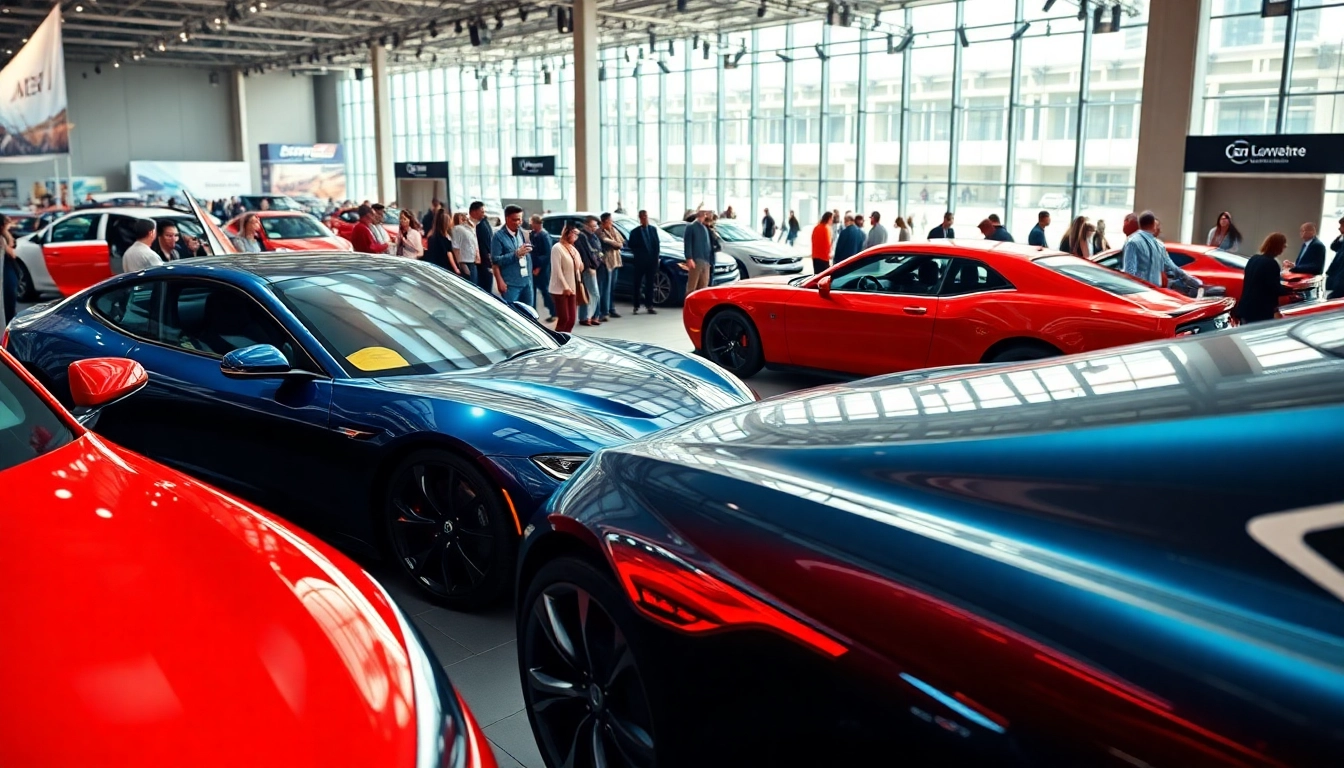
Over the decades, auto shows have diversified in scope and purpose. Initially, they were primarily for industry insiders—automakers showcasing their innovations to potential partners and-distributors. However, as automobiles became integral to everyday life, these events transitioned into public showcases, drawing thousands of enthusiasts and consumers eager to learn about the latest models and technologies.
Major Milestones in Auto Shows
Key milestones in the evolution of auto shows include the establishment of prominent events such as the New York International Auto Show, which is recognized as one of the oldest in the United States. Started in 1900, this event has evolved to showcase not just traditional vehicles but also innovations in electric and autonomous driving technologies.
Another significant milestone came in the form of increasing global participation. As the automotive market shifted, manufacturers from around the world began to participate in major auto shows, leading to a broader representation of global automotive cultures and technological advancements. The introduction of concept cars at these events further enhanced their significance, providing a glimpse into the future of automotive design.
Impact on the Automotive Industry
The impact of auto shows extends beyond mere consumer interest; they have become critical platforms for manufacturers to launch new models and technologies. The auto show format allows manufacturers to gauge public interest, gather feedback, and adjust their marketing strategies accordingly.
Furthermore, the trend toward sustainability is increasingly reflected in auto show exhibitions, where electric vehicles and hybrid models gain prominence. This shift signifies the automotive industry’s response to environmental challenges and consumer preferences, highlighting the transformative role auto shows play in shaping market trends.
What to Expect at an Auto Cars Show
Interactive Exhibits and Displays
Modern auto shows are characterized by their immersive experiences. Many exhibitions feature interactive displays that allow visitors to explore vehicles in a hands-on manner. For instance, attendees can often engage with augmented reality applications that provide a deeper insight into vehicle features and specifications. These interactive elements encourage attendee participation, making the experience more engaging and informative.
Additionally, many shows incorporate virtual reality experiences as part of their displays, enabling attendees to simulate driving different vehicles or experiencing new technologies in a controlled environment. This interactive aspect not only entertains but also educates the consumer about the capabilities and advantages of modern vehicles.
Latest Innovations and Technologies
At the forefront of each auto show are the latest technologies that push the boundaries of automotive design and performance. From advancements in electric propulsion and autonomous driving capabilities to the integration of smart technology for enhanced connectivity, auto shows provide a comprehensive look at what's coming next in the automotive landscape.
Many manufacturers use these platforms to showcase their engineering prowess through prototype displays and concept vehicles that highlight innovative engineering solutions. For example, innovations in safety technology, such as adaptive cruise control and collision avoidance systems, often receive significant attention, demonstrating the industry's commitment to enhancing driver and passenger safety.
Special Events and Activities
Auto shows are not just exhibitions; they are also vibrant events featuring various activities to draw in crowds. Special events such as celebrity guest speakers, interactive seminars, and live demonstrations create added value for attendees, enhancing their overall experience. Manufacturers often host contests and giveaways, providing attendees with a chance to win prizes, which further increases engagement.
Family-friendly activities, such as children’s zones or displays dedicated to educational content on automotive technology, also contribute to the inclusivity of auto shows, making them accessible for parents and children alike. This focus on community engagement helps foster a deeper connection between the automotive industry and its consumer base, encouraging interest in automotive technology at a young age.
Preparing for the Auto Cars Show
What to Bring and Wear
Visiting an auto show requires some level of preparation to ensure you have the best experience. Comfortable attire is essential, as attendees often spend hours walking around large venues filled with countless displays. Dress in layers to accommodate the varying temperatures of the venue while allowing for comfort.
Along with comfortable shoes and attire, consider bringing a reusable water bottle and snacks, as navigating large shows can often lead to long hours away from traditional food options. Carrying a portable battery charger can also prove beneficial, as visitors often take numerous photos and videos to document their experiences, which can quickly drain mobile device batteries.
Tips for First-Time Attendees
For those attending an auto show for the first time, planning is critical. Start by reviewing the event schedule and identifying key exhibits or presentations that you want to prioritize. Many shows offer downloadable apps that provide real-time updates, maps of the venue, and detailed information on each exhibit. Utilizing this technology can enhance your experience and ensure you don’t miss out on any highlights.
Don’t hesitate to ask staff or volunteers for assistance—most auto shows have friendly personnel positioned throughout the venue to guide you and answer questions. This interaction can enhance your understanding of the exhibits and offer insights that you may not find in the promotional materials.
Navigating the Venue
Auto shows can be massive, often occupying multiple halls or even entire convention centers. To avoid feeling overwhelmed, familiarize yourself with the venue layout upon arrival. Take a moment to review the event map to identify key areas, including first aid stations, restrooms, and food courts.
A strategic approach to navigating the venue involves starting from one end and gradually working your way through each section, fully immersing yourself in the experience. This method not only maximizes your time but also ensures that you take in all the exhibits without feeling rushed.
The Future of Auto Cars Shows
Trends Shaping the Industry
As the automotive industry continues to evolve rapidly, auto shows must adapt to reflect current and future trends. One of the most significant trends is the increasing importance of sustainability as electric and hybrid vehicles become more prevalent. Auto shows are beginning to spotlight green technologies and showcase efficient vehicles, emphasizing the industry's shift toward ecological responsibility.
Additionally, the integration of smart technologies is another crucial trend. As vehicles become more connected, with features like advanced infotainment systems and driver assistance technologies, auto shows will focus on educating consumers about these advancements and how they enhance the driving experience.
Environmental Considerations
As climate awareness grows, so does the automotive industry's responsibility toward environmental stewardship. Future auto shows are likely to increasingly incorporate sustainability strategies, such as reducing waste, using energy-efficient practices during setups and takedowns, and showcasing vehicles with lower carbon footprints. This may include promoting battery recycling initiatives and the use of renewable materials in production.
Moreover, as automakers pivot to electric and hybrid technologies, auto shows will play a vital role in educating consumers about the benefits of these innovations, including their potential impact on reducing emissions and enhancing energy efficiency.
Predictions for Upcoming Shows
Looking ahead, the auto industry is poised for profound changes that will shape the format and function of future auto shows. With a focus on electric vehicles, future events will likely exhibit a higher number of electric and hybrid vehicles. Expect to see more immersive experiences that leverage technology, such as augmented reality and virtual reality displays, to create a more engaging visitor experience.
In addition, as remote engagement becomes more common, hybrid formats offering both in-person attendance and virtual access will enhance participation. This shift could allow a broader audience to engage with new technologies and trends, even if they cannot attend in person.
Connecting with Auto Enthusiasts
Networking Opportunities
One of the most significant benefits of attending an auto show is the opportunity to connect with fellow automotive enthusiasts, industry professionals, and influencers. Networking opportunities abound, from casual conversations with other attendees to more structured events where industry leaders share insights and innovations.
Participating in seminars and panel discussions not only fosters relationships within the industry but can also be a source of inspiration for future projects. Engaging with like-minded individuals can lead to new ideas, collaborations, and partnerships that ultimately contribute to the growth of the automotive community.
Social Media and Engagement
Social media has transformed how attendees interact with auto shows, both before and during events. Platforms like Instagram, Twitter, and Facebook serve as crucial tools for sharing experiences, promoting exhibits, and connecting with other automotive enthusiasts. Many attendees use dedicated hashtags to document their journey, creating an online community that complements the in-person experience.
Live streaming presentations and showcases can also engage those who are unable to attend, expanding the reach of the event and fostering a community around the auto show experience.
Community Events Related to Auto Cars Show
Many auto shows are now accompanied by community events that further enhance the experience for local attendees. Events such as community car rallies or charity drives often coincide with the exhibition and help foster a sense of community among car enthusiasts. These gatherings not only celebrate automotive culture but also raise awareness and funds for local causes.
In addition to supporting local charities, these events strengthen ties between automotive brands and their consumer base, reinforcing the idea that the automotive industry is committed to contributing positively to the community.