Understanding Soft Wash: The Science Behind the Method
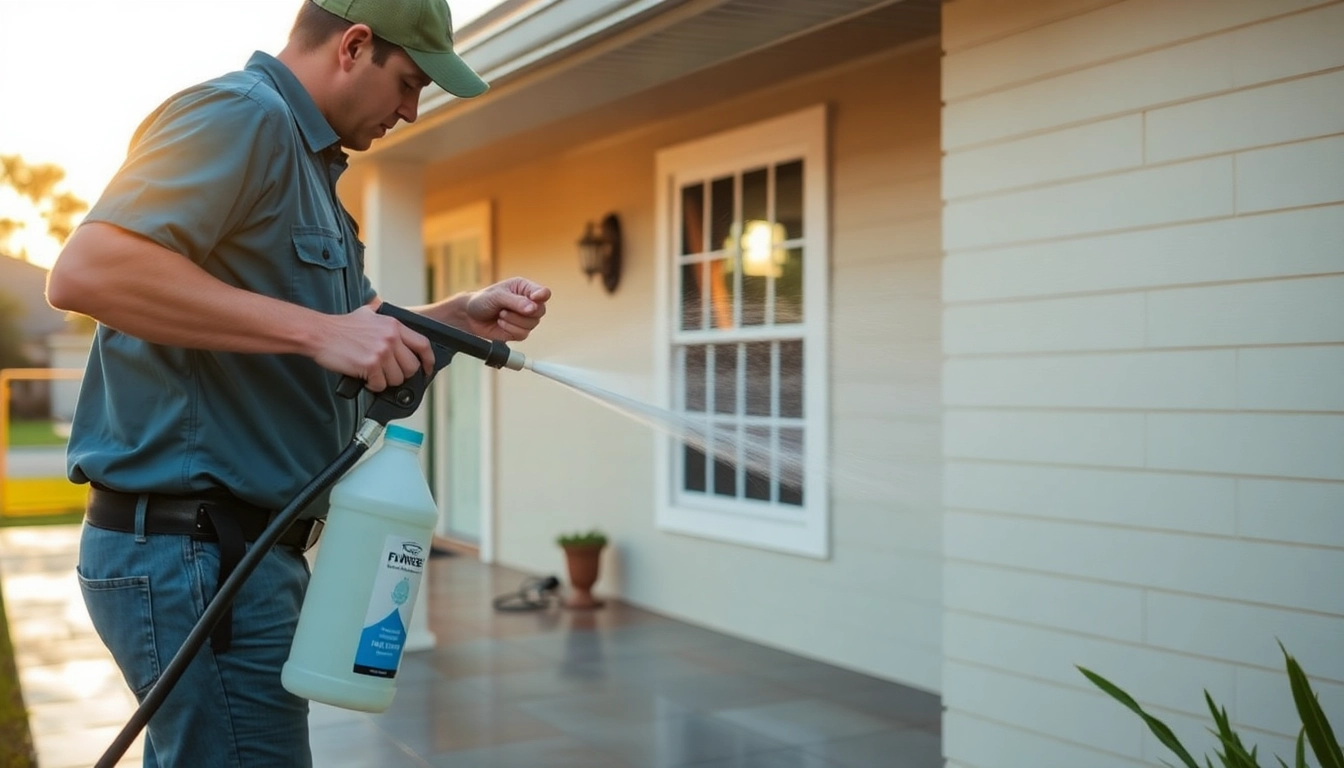
In the world of exterior cleaning, the method known as soft washing has gained prominence for its gentle yet effective approach. This technique utilizes a low-pressure water spray combined with specialized cleaning solutions to remove dirt, algae, and other contaminants from surfaces without causing damage. When exploring options, soft wash methods can be particularly beneficial for maintaining the integrity of your home’s exterior while enhancing curb appeal.
What is Soft Washing?
Soft washing is a cleaning technique designed for delicate surfaces that cannot withstand high-pressure water. Unlike traditional pressure washing, which exerts significant force to dislodge dirt and grime, soft washing applies a gentle spray that effectively cleans without risking damage to roofs, siding, or windows. This method employs a biodegradable cleaning solution that penetrates and breaks down organic growth like mold and mildew, allowing them to be washed away effortlessly.
How Soft Wash Differs from Traditional Pressure Washing
The key distinction between soft washing and traditional pressure washing lies in the water pressure used during the cleaning process. Soft washing typically operates at a pressure of around 100-300 psi, employing specific nozzles and techniques to minimize stress on surfaces. In contrast, traditional pressure washing can reach pressures of 1,500 psi or more, which is effective for hard surfaces but may damage softer materials like wood or vinyl siding. The gentler approach of soft washing makes it ideal for:
- Roofs
- Painted surfaces
- Windows
- Wood decks
The Benefits of Using Soft Washing Techniques
Soft washing offers several advantages over traditional cleaning methods. Here are a few key benefits:
- Safe for Sensitive Surfaces: Soft washing effectively cleans materials that require a gentler touch, reducing the risk of damage.
- Long-lasting Results: The cleaning solutions used in soft washing not only remove dirt but also kill mold spores and algae, helping to prevent regrowth.
- Eco-Friendly Solutions: Many soft washing solutions are biodegradable and safe for the environment, offering peace of mind to homeowners.
- Improved Curb Appeal: A thorough soft wash can significantly enhance the appearance of a property, making it stand out in the neighborhood.
Essential Equipment for Effective Soft Washing
To execute soft washing effectively, having the right equipment is paramount. Below are some essential tools and equipment that professionals in the field utilize to achieve optimal results.
Must-Have Tools for Soft Wash Professionals
The following tools are indispensable for a successful soft wash operation:
- Soft Wash System: This includes a pump that can produce low-pressure water, along with a tank for storing the cleaning solution.
- Low-Pressure Nozzle: Specialized nozzles that enable the application of cleaning solution at low pressure.
- Surface Cleaner: A tool that helps to efficiently clean flat surfaces like driveways without streaking.
- Hoses and Connectors: Durable hoses designed to handle the specific pressures involved in soft washing.
- Protective Gear: Safety goggles, gloves, and masks are critical to protect the operator during cleaning.
Choosing the Right Cleaning Solutions
Selecting the correct cleaning solutions is vital for maximizing the efficacy of soft washing. Common components in soft wash solutions include:
- Biodegradable Detergents: These are safe for the environment and effective at breaking down organic materials.
- Sodium Hypochlorite: Often used in roof cleaning solutions to eliminate algae.
- Surfactants: These help the cleaning solution adhere to surfaces for better penetration and cleaning efficiency.
Safety Equipment: Protecting Yourself and Your Clients
When undertaking any cleaning project, especially one involving chemicals, safety should be a priority. Professionals should always utilize:
- Protective Clothing: Long-sleeved shirts and pants to shield skin from chemicals.
- Respirators: Masks to prevent inhalation of fumes and airborne particles.
- Eye Protection: Goggles to safeguard against splashes and debris.
Applying Soft Wash Techniques: A Step-by-Step Guide
Understanding how to effectively apply soft washing techniques can elevate your cleaning standards and satisfy your clients. Here’s a detailed guide:
Preparation: What to Do Before You Start
Before beginning the soft washing process, it’s crucial to carry out several preparation steps:
- Assess the Area: Inspect the surfaces to be cleaned, noting any areas of significant dirt or damage.
- Protect Nearby Plants: Cover or wet plants and surrounding areas to minimize potential chemical impact.
- Gather All Equipment: Ensure all tools, chemicals, and safety gear are on hand and in working order.
The Soft Washing Process Explained
Once prepared, follow these steps:
- Mix the Cleaning Solution: Prepare your cleaning mixture according to manufacturer instructions.
- Apply the Solution: Using a low-pressure nozzle, apply the cleaning solution evenly across the surfaces.
- Allow Dwell Time: Let the solution sit for the recommended time to penetrate and break down contaminants.
- Rinse Thoroughly: Rinse the area with low-pressure water to wash away dirt and residue.
Post-Cleaning: Ensuring Long-Lasting Results
After completing the soft wash, it’s essential to ensure the results are sustainable:
- Inspect for Missed Spots: Check the cleaned surfaces for any areas that might need extra attention.
- Provide Maintenance Tips: Educate clients on maintaining their surfaces to prolong cleanliness.
- Document Your Work: Taking photos before and after can help showcase results and serve as marketing material.
Common Misconceptions About Soft Washing
Despite its effectiveness, soft washing is often misunderstood. Below, we clarify some prevalent misconceptions.
Is Soft Washing Safe for All Surfaces?
One common question is whether soft washing is safe for all surfaces. Generally, soft washing is suitable for most home exteriors, including:
- Vinyl and aluminum siding
- Roofs made of asphalt shingles
- Wood surfaces
However, it is essential to conduct a pre-cleaning assessment, especially on sensitive or antique materials.
Debunking Myths About Soft Wash Efficacy
Another misconception is that soft washing is less effective than traditional pressure washing. In truth, soft washing is highly effective for certain surfaces, particularly when organic growth is present. The combination of low pressure and targeted cleaning solutions makes it a superior choice for many applications.
Understanding Customer Concerns and Addressing Them
Clients may express concerns about the use of chemicals in soft washing. It’s important to reassure them that many soft washing solutions are eco-friendly and safe for pets and plants when used correctly. Providing transparency about the cleaning process builds trust and can alleviate customer anxieties.
The Future of Soft Washing in the Industry
As environmental concerns rise and technological advancements evolve, the soft washing industry is poised for exciting developments. Here are some emerging trends and insights:
Emerging Trends in Soft Wash Technologies
New innovations continue to shape the soft washing landscape. Enhanced equipment, such as battery-operated pumps and advanced nozzles, are making the process easier and more efficient. Furthermore, the introduction of automated systems may revolutionize large-scale applications.
The Role of Eco-Friendly Solutions in Soft Washing
Growing consumer awareness around environmental impact will drive the demand for biodegradable cleaning solutions. Companies that prioritize eco-friendly products will gain a competitive edge in the market.
Preparing for Changes in Consumer Preferences
As homeowners become more discerning about the services they choose, pressure washing companies must adapt to changing consumer preferences. Emphasizing high-quality results, safety, and environmental responsibility will position businesses favorably in a crowded market.