
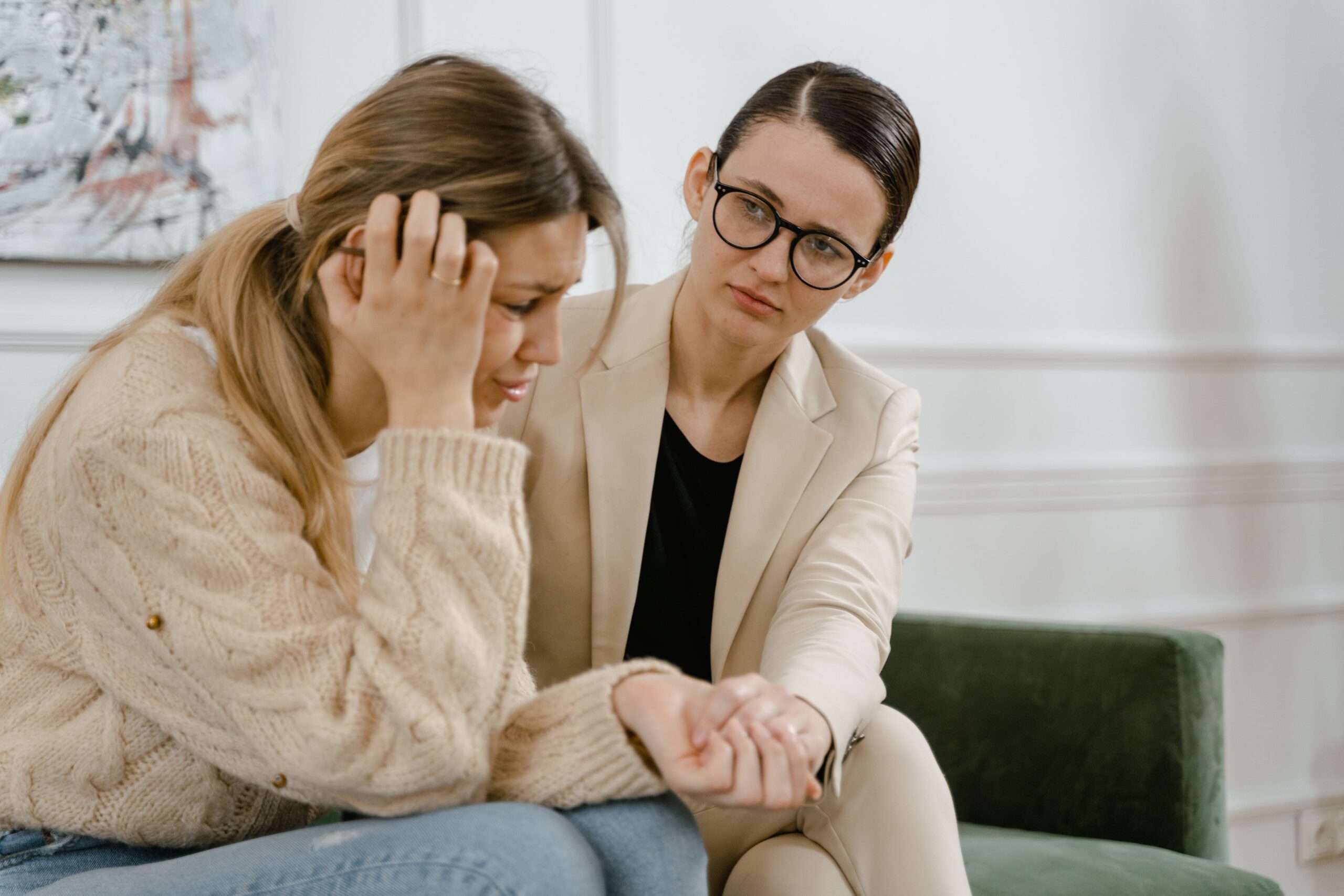
Anxiety is a natural human emotion, and everyone experiences it at some point in their life. Feeling nervous before a test, a job interview, or a significant life event is common. However, anxiety becomes concerning when it is persistent, overwhelming, and affects daily life. Understanding Anxiety symptoms is the first step toward emotional care and personal well-being. At Calm Minds Hub, we aim to simplify evidence-based knowledge about anxiety, making it easier to recognize, manage, and seek help when needed.
Understanding Anxiety
Anxiety is more than occasional nervousness. It is a response to stress, fear, or uncertainty. While short-term anxiety can motivate action, chronic anxiety can interfere with relationships, work, and physical health. Recognizing anxiety symptoms is crucial for early intervention and emotional care.
What Causes Anxiety?
Anxiety can arise from a combination of factors:
- Genetic Factors: Some people have a family history of anxiety disorders.
- Brain Chemistry: Imbalances in neurotransmitters like serotonin and dopamine may increase anxiety risk.
- Stressful Life Events: Trauma, loss, or major life changes can trigger anxiety.
- Personality Traits: People with perfectionist tendencies or high sensitivity may be more prone to anxiety.
- Environmental Factors: Work pressure, school challenges, or social expectations can contribute to persistent anxiety.
Understanding these causes helps us approach anxiety with empathy and practical strategies, not judgment.
Recognizing Anxiety Symptoms
Anxiety symptoms can be emotional, physical, or behavioral. These signs may vary from person to person, and understanding them is essential for early emotional care.
Emotional Anxiety Symptoms
Emotional signs of anxiety often affect mood and thought patterns:
- Excessive Worry: Feeling unable to control worry about everyday situations. For example, constantly thinking about failing school assignments or disappointing family members.
- Irritability: Feeling tense or easily frustrated, even over small problems.
- Restlessness: Experiencing difficulty sitting still or feeling “on edge.”
- Fear of Losing Control: Feeling overwhelmed by thoughts of uncertainty or danger, even when there is no immediate threat.
Physical Anxiety Symptoms
Anxiety often manifests in the body, sometimes before the mind fully registers stress:
- Racing Heartbeat: Palpitations or fast heart rate, especially during stressful situations.
- Sweating: Unexplained sweating, even in cool environments.
- Trembling or Shaking: Noticeable shakes in hands or limbs during anxious moments.
- Shortness of Breath: Feeling unable to take deep breaths or experiencing a sense of suffocation.
- Muscle Tension: Chronic stiffness, especially in the neck, shoulders, and back.
- Headaches or Dizziness: Frequent headaches or feeling lightheaded.
- Digestive Issues: Nausea, diarrhea, or upset stomach without clear medical causes.
Behavioral Anxiety Symptoms
Behavioral signs can affect how a person interacts with others and manages daily life:
- Avoidance: Steering clear of situations that trigger anxiety, such as social gatherings or public speaking.
- Procrastination: Delaying tasks due to fear of failure.
- Compulsive Behaviors: Repeating actions, like checking things multiple times, to reduce anxious feelings.
- Difficulty Concentrating: Feeling mentally “foggy” or unable to focus on schoolwork, work, or conversations.
Case Study: Emma’s Experience
Emma, a 16-year-old student, noticed she was constantly worrying about school exams. She experienced racing heartbeats, tense shoulders, and frequent stomach aches. Her anxiety led her to avoid social events and struggle with completing assignments on time. Recognizing her anxiety symptoms allowed Emma to seek guidance, learn coping strategies, and regain control over her emotional and physical well-being.
Different Types of Anxiety Disorders
Understanding anxiety symptoms also involves recognizing different anxiety disorders. Common types include:
- Generalized Anxiety Disorder (GAD): Persistent and excessive worry about everyday life.
- Social Anxiety Disorder: Intense fear of social situations and being judged.
- Panic Disorder: Recurrent panic attacks involving severe physical symptoms like heart palpitations and shortness of breath.
- Specific Phobias: Irrational fears of specific objects or situations, such as heights or spiders.
- Separation Anxiety: Anxiety related to being apart from loved ones, common in teenagers and children.

Emotional Care Strategies for Anxiety Symptoms
Addressing anxiety symptoms requires a combination of self-care, lifestyle adjustments, and professional support. Practicing emotional care can help individuals manage anxiety more effectively.
Mindfulness and Meditation
Mindfulness practices focus on the present moment, helping reduce anxious thoughts:
- Breathing Exercises: Slow, deep breathing calms the nervous system.
- Meditation Sessions: Guided meditation reduces mental clutter and fosters emotional clarity.
- Body Scan Techniques: Helps identify and release physical tension associated with anxiety.
Lifestyle Adjustments
Daily habits significantly affect anxiety levels:
- Regular Exercise: Physical activity releases endorphins, improving mood and reducing stress.
- Balanced Diet: Foods rich in omega-3, magnesium, and vitamins support brain health.
- Adequate Sleep: Consistent sleep patterns reduce irritability and fatigue.
- Limiting Caffeine and Alcohol: Stimulants and depressants can intensify anxiety symptoms.
Cognitive-Behavioral Techniques
Cognitive-behavioral approaches focus on changing thought patterns:
- Identifying Negative Thoughts: Recognizing irrational fears or catastrophic thinking.
- Challenging Anxiety Beliefs: Replacing negative thoughts with realistic perspectives.
- Gradual Exposure: Facing anxiety triggers slowly to build confidence and resilience.
Social Support and Communication
Sharing feelings with trusted individuals fosters emotional well-being:
- Talking to Family and Friends: Opens avenues for understanding and support.
- Support Groups: Connecting with others facing similar challenges reduces feelings of isolation.
- Professional Help: Therapists, counselors, or psychologists provide structured guidance and coping strategies.
Real-Life Examples of Coping with Anxiety Symptoms
- Alex’s Story: Alex struggled with social anxiety, avoiding school events. By joining a support group and practicing mindfulness daily, he gradually gained confidence in social situations.
- Sophie’s Approach: Sophie experienced panic attacks before exams. Through breathing exercises and cognitive-behavioral techniques, she learned to manage physical symptoms and focus on preparation rather than fear.
These examples illustrate that with awareness, care, and practical strategies, anxiety symptoms can be managed effectively.
When to Seek Professional Help
While self-care is valuable, some situations require professional attention:
- Anxiety interferes with daily life, school, or work.
- Panic attacks occur frequently or intensely.
- Anxiety symptoms persist for months without improvement.
- Thoughts of self-harm or hopelessness arise.
Mental health professionals can provide therapy, medication if needed, and ongoing emotional support, ensuring safe and effective care.
Building Emotional Resilience
Emotional resilience is the ability to adapt and recover from stressful situations. Strategies include:
- Positive Self-Talk: Replace self-criticism with encouraging thoughts.
- Setting Realistic Goals: Break tasks into manageable steps.
- Practicing Gratitude: Focus on positive aspects of life to reduce worry.
- Maintaining Healthy Relationships: Strong social connections provide emotional security.
Conclusion
Understanding anxiety symptoms is a crucial step toward emotional well-being and mental clarity. Recognizing emotional, physical, and behavioral signs allows individuals to act early, practice self-care, and seek professional help when needed. Through mindfulness, lifestyle adjustments, social support, and cognitive-behavioral techniques, anxiety can be managed effectively. At Calm Minds Hub, we believe that compassionate awareness, practical strategies, and ongoing support create a secure path toward healthier emotional life. Remember, anxiety is not a weakness; it is a signal to care for yourself with patience, understanding, and kindness. Return to our main site to explore curated content just for you.
FAQs
What are common physical anxiety symptoms?
Common physical symptoms include a racing heartbeat, sweating, trembling, shortness of breath, muscle tension, headaches, and digestive issues. These symptoms often appear before emotional recognition of anxiety.
How can I manage anxiety symptoms in daily life?
Daily management includes practicing mindfulness, regular exercise, balanced nutrition, sufficient sleep, limiting caffeine, using cognitive-behavioral techniques, and seeking social support from trusted individuals or professionals.
When should I seek professional help for anxiety?
Seek professional help if anxiety interferes with daily life, causes frequent panic attacks, persists for months, or involves thoughts of self-harm. Therapists and psychologists can provide effective support and treatmen