





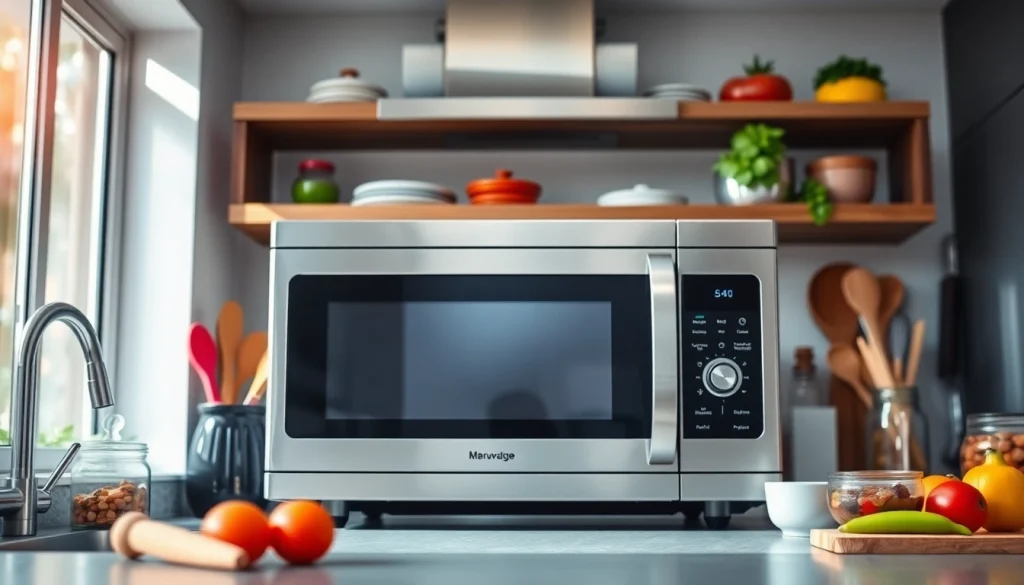
With the hustle and bustle of modern life, microwave oven technology has become an essential part of many kitchens. Not only does it provide quick heating and cooking solutions, but it also comes packed with features that cater to diverse cooking needs. In this comprehensive guide, we’ll delve deep into everything you need to know about microwave ovens—from how they work to selecting the right model that fits your kitchen’s requirements and cooking style.
Understanding the Basics of Microwave Oven Technology
How Microwave Ovens Work
Microwave ovens operate using electromagnetic radiation, specifically in the microwave frequency range. When you insert food into the oven and start it, the microwave generator, called a magnetron, produces microwaves that enter the oven cavity. These microwaves cause water molecules in the food to vibrate, generating heat through friction—a process called dielectric heating. This method allows for quick and even cooking of food without needing an external heat source.
Types of Microwave Ovens
There are several types of microwave ovens, each designed for various cooking needs and kitchen configurations:
- Countertop Microwave: The most common type, standalone units that can be placed on any countertop.
- Over-the-Range Microwave: Doubles as a range hood, saving counter space and providing ventilation.
- Built-in Microwave: Installed directly into cabinetry, offering a seamless look but requiring precise kitchen planning.
- Convection Microwave: Combines standard microwave functionality with convection heating, allowing for baking and browning.
Key Features to Consider
When choosing a microwave oven, consider the following key features:
- Power Levels: More options mean greater flexibility when cooking various types of food.
- Size and Capacity: Ensure it fits your kitchen and can accommodate the dishes you plan to cook.
- Control Options: Digital controls can offer varying settings and preset cooking times for convenience.
- Sensor Cooking: Automatically calculates cooking time based on moisture levels, improving results.
Choosing the Right Size and Style of Microwave Oven
Countertop vs. Built-in Microwave Oven
Selecting between a countertop and built-in microwave oven depends largely on your kitchen design and cooking habits. Countertop models are easier to install and typically more affordable, while built-in models provide a sleek, integrated appearance but require more planning and installation effort.
Capacity and Dimensions Explained
Microwave ovens come in various sizes, generally measured in cubic feet. A capacity of 1.0 to 1.5 cubic feet is suitable for most households. Consider the size of the dishes you frequently use; larger models may be necessary for cooking larger meals or accommodating specific kitchenware.
Design Fit for Your Kitchen Aesthetics
The design of a microwave oven should complement your kitchen decor. Options include stainless steel finishes, black or white models, and even customizable colors to match specific themes. Ensure that the aesthetic aligns with your overall kitchen style for a cohesive look.
Best Practices for Using a Microwave Oven
Cooking Techniques for Optimized Results
To get the best results with a microwave oven, follow these cooking techniques:
- Stirring and Rotating: Pause cooking to stir or rotate food for even cooking.
- Covering Food: Use microwave-safe lids or wraps to keep moisture in and prevent splatters.
- Using Appropriate Containers: Always use microwave-safe materials to avoid harmful reactions.
Safety Tips for Microwave Oven Use
Safety is paramount when using a microwave oven. Here are some essential tips:
- Never operate the microwave when empty to avoid damaging the appliance.
- Use microwave-safe containers to prevent chemical leaching or fire hazards.
- Allow hot items to cool periodically before consuming to prevent burns.
Cleaning and Maintenance Guidelines
To ensure longevity and performance, regular cleaning and maintenance are necessary:
- Wipe down the interior after every use to prevent food buildup.
- Use a damp cloth with mild soap—avoid abrasive cleaners that can damage surfaces.
- Check and clean the microwave’s exterior, including the door seal, to maintain efficiency.
Microwave Oven Comparisons: Features and Prices
Budget-Friendly Options vs. Premium Models
Budget-friendly microwave ovens may lack advanced features but still perform basic cooking tasks effectively. Premium models, conversely, often include enhanced technology, stylish designs, and additional features like convection cooking, which can justify their higher price. Evaluate your cooking needs against your budget to determine the right model.
Energy Efficiency Ratings
Energy efficiency is an important consideration as microwaves can use considerable energy, especially if used frequently. Look for ENERGY STAR ratings to identify models that consume less energy while providing optimal performance.
Popular Features and their Benefits
Some popular features that enhance the utility of microwave ovens include:
- Auto Defrost: Simplifies the process of defrosting meat and other frozen foods.
- Preprogrammed Settings: Offer quick cooking for specific food types, ensuring consistent results.
- Child Lock Function: Prevents accidental operation, keeping children safe in the kitchen.
FAQs about Microwave Ovens
Common Concerns About Using a Microwave Oven
The primary concern for many users is whether microwave cooking alters the nutrients in food. Research shows that while certain cooking methods may cause nutrient loss, microwave cooking can preserve nutrients better than other high-heat cooking methods due to shorter cooking times.
Microwave Oven Cooking vs. Conventional Cooking
Microwave ovens cook food more quickly than traditional ovens by directly heating the food rather than the air surrounding it. This can lead to more moisture retention in the food, often improving taste and texture, especially for reheating remaining meals.
How to Troubleshoot Common Issues
If your microwave oven isn’t heating properly, check the power supply, ensure the door is closing correctly, and inspect the fuse. Sometimes, user error rather than appliance failure can be the cause of issues. If problems persist, consult the user manual for specific troubleshooting steps.
Do All Microwave Ovens Have a Turntable?
Most microwave ovens feature a turntable that helps distribute heat evenly, but some models use different cooking technology. If even cooking is critical, look for models that showcase this feature or have a sensor cooking function to ensure consistent results.
Can You Put Metal in a Microwave Oven?
In general, metal should not be placed in a microwave as it can cause sparks and fires. However, some microwave-safe metal containers are specifically designed for microwave use. Always read the product specifications before use.