





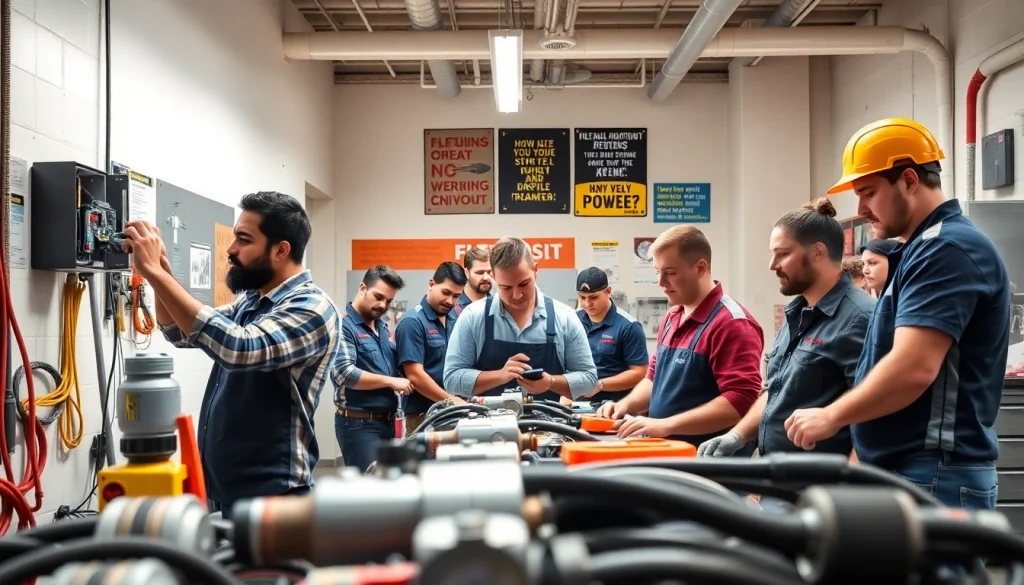
Understanding Trade Schools in Southern California
Trade schools in Southern California have emerged as a critical educational pathway for individuals seeking practical skills and immediate employment opportunities. Unlike traditional colleges that often emphasize theoretical learning, trade schools focus on hands-on training in various skilled trades, ensuring that students are job-ready upon graduation. With a diverse array of programs ranging from electrical installation to plumbing and HVAC, these institutions cater to a wide spectrum of interests and job market demands. As vocational training increasingly gains recognition, many are turning to these alternatives as they offer a more direct route into fulfilling careers.
What Are Trade Schools?
Trade schools, often referred to as vocational or technical schools, provide specialized education and training designed to prepare students for specific occupations. Unlike standard colleges, which typically offer a broad liberal arts education, trade schools focus on equipping students with the skills necessary for careers in fields such as healthcare, construction, automotive, and information technology. These schools emphasize practical experience and often feature hands-on training in real-world environments, ensuring that graduates possess the compact, applicable skills that employers are seeking.
Benefits of Choosing Trade Education
Choosing trade education comes with numerous advantages, particularly for those eager to enter the workforce quickly and gain specialized skills. Some primary benefits include:
- Shorter Training Duration: Most trade programs are designed to be completed within a year or two, compared to the four or more years required for a traditional bachelor’s degree.
- Focused Skill Development: Students receive direct training and knowledge relevant to their chosen field, which leads to higher competency in their jobs.
- Cost-Effective: Trade schools often have lower tuition rates compared to traditional colleges, resulting in fewer financial burdens from student loans.
- Job Readiness: Graduates leave trade schools with hands-on experience, making them attractive candidates to employers looking for immediate hires.
- Diverse Career Opportunities: Trade occupations span many industries, providing a wide range of employment options for graduates.
Key Metrics for Evaluating Trade Schools
When considering a trade school, it’s essential to evaluate a few key metrics to ensure that it aligns with personal and professional goals:
- Accreditation: Ensure the school is accredited by a recognized body, which validates the quality of education provided.
- Job Placement Rates: High placement rates indicate that the school has strong connections with industry employers and a successful track record in helping students find jobs.
- Curriculum Content: Review the curriculum to ensure it covers practical skills and knowledge necessary for the chosen trade.
- Instructor Qualifications: Experienced instructors with industry backgrounds can significantly enhance the learning experience.
- First-Year Earnings Potential: Investigating the earning potential of graduates can provide insight into career prospects after completion.
Popular Trade Programs Offered
Southern California is home to a variety of trade schools that offer programs in numerous skilled trades. Below are some of the most popular vocational programs:
Electrical Training Programs
Electricians are in high demand, especially in growing urban areas like Los Angeles and San Diego. Trade schools offer comprehensive electrical training that includes:
- Understanding Electrical Systems: Training includes studying electrical codes, safety practices, and the operation of electrical systems.
- Hands-On Experience: Students gain practical experience through labs and real-world projects that simulate actual job tasks.
- Advanced Skills: Some programs offer additional training in specialized fields like renewable energy, which is increasingly important as industries move toward sustainability.
Plumbing and HVAC Courses
Plumbing and HVAC (Heating, Ventilation, and Air Conditioning) technicians play a vital role in building maintenance, and both of these trades offer lucrative career opportunities:
- Plumbing Training: Students learn installation, repair, and maintenance of plumbing systems, drainage, and water supply.
- HVAC Training: Programs cover installation and repair of heating and cooling systems, temperature control systems, and understanding refrigerants.
Construction and Skilled Trades
Construction is a booming sector in Southern California due to constant urban development and infrastructure projects. Skilled trades training may encompass:
- Carpentry: Programs teach students woodworking techniques, building structures, and understanding architectural plans.
- Welding: Trade schools offer courses in various welding techniques required in construction, manufacturing, and repair.
- Heavy Equipment Operation: Students develop skills to operate bulldozers, cranes, and other heavy machinery essential to construction projects.
How to Choose the Right Trade School
Selecting the appropriate trade school is a crucial step towards a successful career. Consider the following factors to help narrow down options:
Location and Commute Considerations
Proximity to home can influence convenience; attending a trade school nearby can save time and reduce commuting costs. Moreover, research local job markets in areas where the schools are located. This can provide insights into apprenticeship or job placement opportunities upon graduation.
Tuition Costs and Financial Aid
Understanding tuition costs is essential for budgeting. Explore financial aid options, scholarships, and payment plans offered by trade schools. Many institutions partner with organizations that can help students navigate financial assistance, making trade education more accessible.
Accreditation and Program Reputation
The accreditation of a trade school ensures quality education and enhances job prospects after graduation. Investigating reviews and testimonials from alumni can help gauge the school’s reputation and effectiveness in training students.
Career Opportunities After Trade School
Graduates from trade schools often enter careers with immediate job opportunities. The need for skilled labor is consistently growing, particularly in Southern California. Here are notable aspects regarding the employment landscape:
High-Demand Trade Skills in Southern California
As of 2023, certain trades show particularly strong demand in the Southern California job market:
- Electricians: Rapid growth in construction and energy sectors drives demand for trained electrical professionals.
- HVAC Technicians: Increasing energy efficiency regulations contribute to the rising need for HVAC experts.
- Plumbers: Aging infrastructure and population growth in urban areas lead to ongoing demand for plumbing services.
Job Placement Services
Many trade schools offer robust job placement services to assist graduates in finding suitable employment. These services may include:
- Resume Workshops: Helping students craft resumes tailored to their chosen industry.
- Interview Preparation: Conducting mock interviews to prepare students for actual job interviews.
- Networking Opportunities: Connecting students with industry professionals and potential employers through job fairs and affiliated organizations.
Success Stories from Graduates
Real-world success stories from former students can inspire and inform prospective enrollees. Many trade schools document these success stories, showcasing graduates who have successfully launched rewarding careers. These narratives often highlight:
- Career Progression: Stories of individuals who began with entry-level positions and advanced their careers significantly.
- Industry Contributions: Alumni making notable contributions to their fields or communities.
Future Trends in Trade Education
The landscape of trade education is constantly evolving to meet the demands of modern industries and the workforce. Key trends include:
The Growing Importance of Vocational Skills
As technological advancements continue to reshape industries, the demand for skilled labor is expected to rise. More employers are recognizing the value of vocational skills in ensuring workplace efficiency and innovation.
Innovations in Training Methods
Trade schools are increasingly integrating technology into training programs. Virtual reality simulations, online learning platforms, and interactive training modules are becoming common in educational curricula.
Impact on Local Economies
Investing in trade education not only benefits individuals but also bolsters local economies. By preparing a skilled workforce, trade schools contribute to reducing unemployment rates and enhancing community development initiatives.
In conclusion, exploring trade schools in southern California can lead to exciting career opportunities for individuals who prefer hands-on learning and immediate employment prospects. With a carefully organized educational route, aspiring tradespeople can embark on meaningful careers that meet both their ambitions and the demands of an ever-evolving job market.