





1. What is Drayage?
1.1. Definition of Drayage
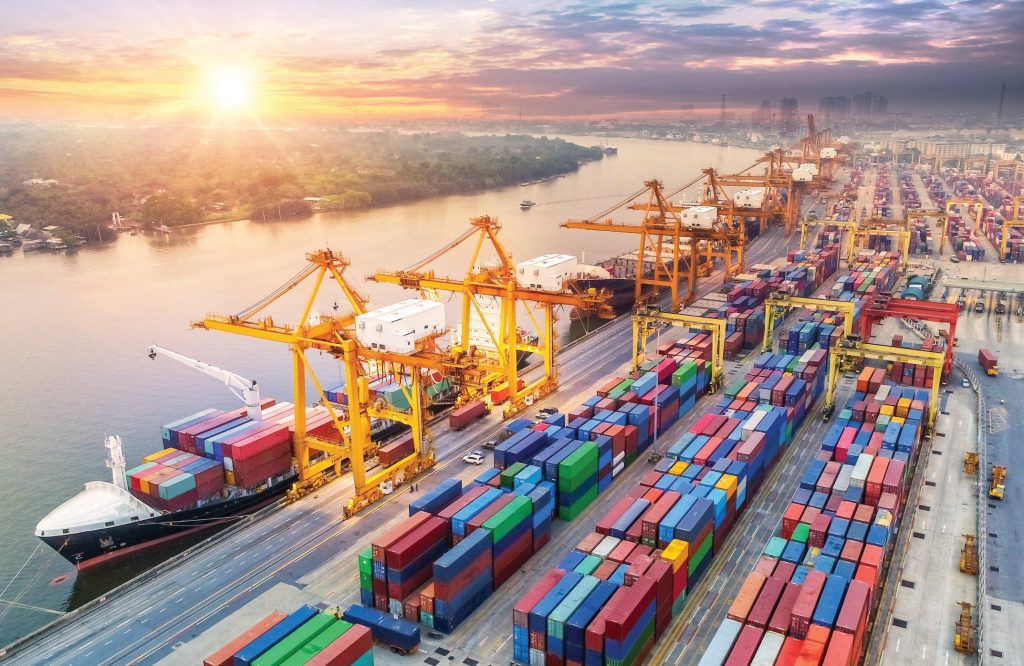
Drayage refers to the transportation of shipping containers by truck over short distances, often as part of a larger shipping process. This movement typically occurs within a localized area, such as from a port to a nearby warehouse or distribution center. The term “drayage” stems from the word “dray,” which historically describes a wagon or cart used for transporting goods.
Drayage is imperative in the logistics and supply chain industry, acting as a critical link in connecting various modes of transportation. For instance, goods arriving by sea need to be moved to rail terminals or warehouses for further processing and distribution. Thus, drayage serves as the bedrock upon which efficient supply chains are built.
1.2. Importance in Supply Chain
The role of drayage in the supply chain cannot be overstated. As a bridge between sea transport and ground transport, drayage facilitates the flow of goods from ports to inland destinations, ensuring that products reach their final consumers swiftly. A well-functioning drayage process minimizes delays in the supply chain, which can lead to cost savings and improved service levels.
Moreover, effective drayage operations enhance supply chain visibility. With advanced tracking technologies, shippers and logistics providers can monitor container movements in real time, improving decision-making and reducing the risk of cargo loss or damage.
1.3. Key Terminology Related to Drayage
- Intermodal Transportation: Moving cargo using multiple modes of transportation, including truck, rail, and sea.
- Demurrage: Charges incurred when cargo remains at the port or terminal beyond the allotted free time.
- Drop and Hook: A service where a driver drops off a container and quickly picks up another without waiting.
- BOL (Bill of Lading): A document detailing the cargo shipment, serving as a receipt and a contract between the shipper and carrier.
2. The Drayage Process Explained
2.1. Steps Involved in Drayage
The drayage process entails several critical steps:
- Order Placement: Shippers or freight forwarders place orders for drayage services based on shipment schedules.
- Container Pick-Up: The drayage carrier collects containers from the port or intermodal terminal.
- Transport: The container is transported to the designated location, such as a warehouse or rail terminal.
- Container Drop-Off: The drayage driver drops off the container at the specified location and completes all necessary paperwork.
2.2. Types of Drayage Services
There are various types of drayage services, each catering to specific logistical needs:
- Port Drayage: Transporting containers from a port to nearby destinations.
- Rail Drayage: Moving containers between rail yards and ports.
- Intermodal Drayage: Facilitation of cargo transfer among different transport modes, including rail, ocean, and trucking.
- Last-Mile Drayage: The final leg of transport from a transport hub to the end customer.
2.3. Differences Between Drayage and Other Freight Services
While drayage is a subset of freight transportation, it is distinctly characterized by short-distance trips that do not exceed 50 miles. In contrast, freight services can involve longer distances and various transport modes. Unlike traditional freight transport, drayage services focus predominantly on the swift movement of containers from one point to another, often as part of a larger intermodal system.
3. Choosing the Right Drayage Provider
3.1. Criteria for Selecting a Drayage Carrier
Choosing the right drayage provider is crucial for ensuring efficient cargo movement. Here are essential criteria to consider:
- Experience: Look for providers with a proven track record in the industry.
- Network: A robust network can alleviate delays and facilitate the smooth transit of goods.
- Technological Capabilities: Providers leveraging technology for tracking and management can enhance communication and transparency.
- Pricing: Understand their pricing structure and how it aligns with your budget and needs.
3.2. Factors Influencing Drayage Costs
The costs associated with drayage can be influenced by several factors, including:
- Distance: Longer distances typically incur higher costs.
- Container Size: The dimensions and weight of the container can impact pricing.
- Traffic Conditions: Congestion and road conditions can affect transit times and costs.
- Peak Seasons: Demand fluctuations during peak seasons can drive prices up.
3.3. Evaluating Service Providers
When assessing potential drayage providers, consider asking the following questions:
- What is your average transit time for drayage services?
- How do you handle delays or disruptions in transport?
- Can you provide references or case studies from previous clients?
- What technologies do you employ for tracking and updates?
4. Challenges and Solutions in Drayage
4.1. Common Drayage Challenges
Despite its significance, drayage presents several challenges:
- Congestion: Ports are often congested, leading to delays in cargo pickup.
- Regulatory Compliance: Adhering to varying local regulations can complicate operations.
- High Costs: Rising fuel prices and operational costs can impact profitability.
- Driver Shortages: A lack of qualified drivers can lead to service disruptions.
4.2. Strategies for Efficient Drayage
To mitigate challenges in drayage, businesses can adopt several strategies:
- Pre-Planning: Effective scheduling and timely communications can reduce wait times and delays.
- Partnerships: Collaborating with reliable drayage providers and leveraging shared resources can enhance service efficiency.
- Data Analysis: Utilization of data analytics to monitor performance and adjust strategies accordingly can yield better outcomes.
- Flexibility: Being adaptable to changes in regulations and market demands can enhance resilience.
4.3. Technology’s Role in Improving Drayage
The integration of technology in drayage services is revolutionizing the way goods are transported. Key technological innovations include:
- Real-Time Tracking: GPS and IoT technologies provide real-time tracking of containers, enhancing visibility and communication.
- Automation: Automated systems can streamline operations and reduce manual errors.
- Mobile Applications: Many service providers are utilizing mobile apps for booking, tracking, and managing drayage services.
5. Future Trends in Drayage
5.1. Innovations Reshaping Drayage
The future of drayage is poised to be influenced by several innovative trends:
- Electric and Autonomous Trucks: The adoption of electric vehicles and autonomous driving technology aims to reduce operational costs and enhance sustainability.
- Blockchain: Implementing blockchain can enhance transparency and security in the supply chain by providing an immutable record of transactions and shipments.
- Artificial Intelligence: AI algorithms can optimize routing and scheduling, facilitating faster and more efficient drayage solutions.
5.2. The Impact of Regulations on Drayage
Regulatory changes, such as emissions standards and safety requirements, significantly influence drayage operations. Staying compliant with these regulations is critical for maintaining operational permits and avoiding penalties. Companies must proactively adapt their practices to remain compliant and ensure smooth operations.
5.3. Sustainability Initiatives in Drayage Services
As environmental sustainability becomes increasingly vital in logistics, drayage providers are also adopting sustainable practices. Initiatives may include reducing carbon emissions through efficient routing, utilizing electric trucks, and implementing waste reduction strategies in warehousing and machinery operations.