





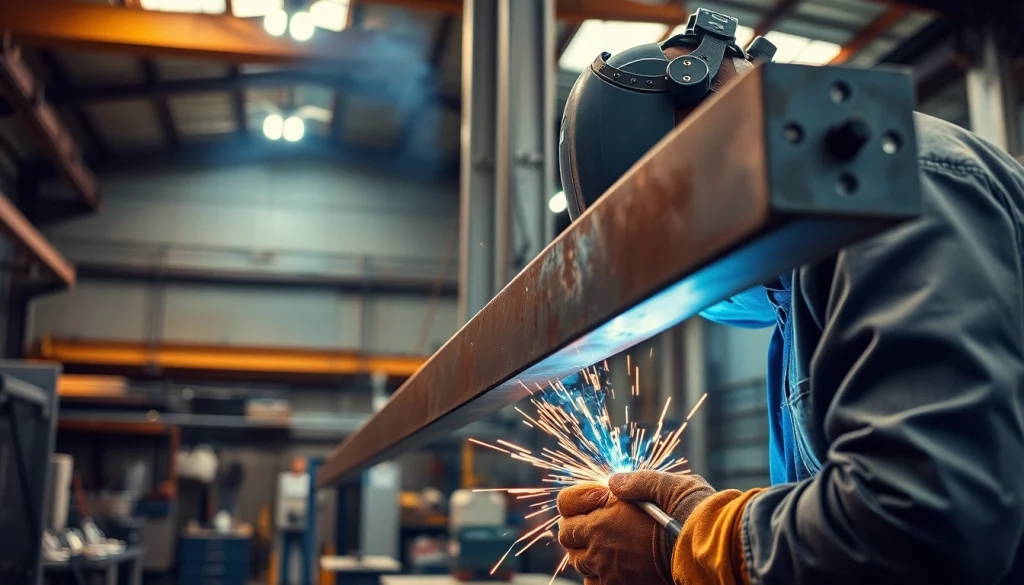
Understanding Structural Steel Welding
Structural steel welding is a fundamental process in construction and manufacturing, allowing for the creation of robust frameworks that form the backbone of buildings, bridges, and various infrastructures. Mastering the techniques and principles behind structural steel welding is essential for welders and engineers alike, as they play a critical role in ensuring structural integrity and safety. This article aims to explore structural steel welding, delve into common methods, safety practices, quality control, and the pathway to a successful career in this field.
What is Structural Steel Welding?
Structural steel welding refers to the process of joining steel components together to form structural frameworks. The process involves applying heat to melt the base materials and fill the joint with a filler material, which solidifies and creates a strong bond. Structural steel welding is particularly prevalent in the construction of buildings, bridges, machinery, and other structures requiring heavy loads and high strength.
Key Materials Used in Structural Steel Welding
The primary materials involved in structural steel welding include:
- Steel Alloys: Various steel grades, such as carbon steel and alloy steels, are often used for their strength and resilience.
- Welding Filler Materials: These include electrodes, wire, and rods that are essential to the welding process, providing additional material needed to fill gaps in the weld joint.
- Welding Gases: Typically inert gases, such as argon or helium, are used in certain welding processes (like TIG welding) to shield the weld area from contaminants.
The Importance of Proper Welding Techniques
Proper techniques in structural steel welding are crucial for several reasons:
- Structural Integrity: Correct welding techniques ensure that welds can withstand the expected loads and stresses.
- Durability: Properly executed welds can extend the lifespan of the structure, minimizing maintenance and repair costs.
- Aesthetic Quality: Well-made welds enhance the visual appeal of the structure, particularly in visible areas.
Common Methods of Structural Steel Welding
There are several welding techniques utilized in structural steel projects, each serving a unique purpose based on the requirements of the structure and the conditions of the work environment.
Mig Welding and Its Advantages in Structural Steel Welding
MIG (Metal Inert Gas) welding is a popular method for structural steel welding due to its speed and versatility. In MIG welding, a continuous solid wire electrode is fed through the welding gun while a shielding gas is simultaneously released to protect the weld pool from oxidation.
Advantages of MIG welding include:
- Speed: The continuous feed of wire allows for quicker weld production.
- Ease of Use: MIG welding can be easier for beginners to learn, making it an excellent choice for novice welders.
- Versatility: Applicable for various thicknesses and types of steel, MIG welding adapts well to different project needs.
Tig Welding: Precision in Structural Steel Welding
TIG (Tungsten Inert Gas) welding is another method known for its precision, particularly in thin materials or intricate designs. TIG welding uses a non-consumable tungsten electrode and a filler rod that the welder adds manually.
Some benefits of TIG welding include:
- Control: Provides finer control over the weld, allowing for detailed work.
- Quality: Produces cleaner and high-quality welds with minimal spatter.
- Versatility: Effective for a range of metals, including aluminum, stainless steel, and magnesium.
Stick Welding: A Reliable Option for Structural Steel Welding
Stick welding, also known as Shielded Metal Arc Welding (SMAW), is a robust method suitable for outdoor environments. It uses a consumable electrode coated in flux that generates a shielding gas when melted.
This technique is favored for its:
- Portability: Ideal for remote locations where equipment needs to be easily transported.
- Adaptability: Works well on rusty or dirty materials, allowing for greater flexibility in site conditions.
- Cost-Effectiveness: Generally lower in equipment costs compared to MIG and TIG welding.
Safety Measures in Structural Steel Welding
Safety should always be the top priority in structural steel welding due to the inherent risks involved. Implementing proper safety practices protects both the welder and the environment.
Essential Personal Protective Equipment
Personal Protective Equipment (PPE) is critical in welding operations. Essential gear includes:
- Welding Helmets: Protects the eyes and face from harmful UV rays and sparks.
- Gloves: Shields the hands from heat and sharp edges.
- Protective Clothing: Flame-resistant materials help prevent burns and injuries.
- Safety Boots: Provides foot protection from heavy equipment and falling hazards.
Health Risks and How to Mitigate Them
Welding processes come with health risks, including:
- Respiratory Problems: Fumes from welding can lead to chronic illnesses.
- Electrical Hazards: Working with high currents increases the risk of shock.
- Thermal Burns: Exposure to molten metal can cause severe burns.
To mitigate these risks, ensure proper ventilation in the work area, use appropriate filtration masks, and maintain safe working distances from electrical sources.
Creating a Safe Welding Environment
A safe workspace involves clear organization and proactive measures. Key strategies include:
- Regular Inspections: Conduct safety inspections of equipment and surroundings.
- Clear Workspaces: Maintain clutter-free environments to avoid trip hazards.
- Employee Training: Ensure all staff are educated on safety protocols and emergency procedures.
Quality Control in Structural Steel Welding
Quality control in structural steel welding is vital for maintaining integrity and compliance with industry standards. Inspections, certifications, and quality practices play a significant role in this process.
Weld Inspection Techniques
Weld inspections ensure the quality and strength of welds. Common techniques include:
- Visual Inspection: The most basic form involving checking welds for visible defects.
- Ultrasonic Testing: Uses sound waves to detect internal flaws in the weld.
- X-ray Inspection: Provides detailed images of the weld, revealing hidden imperfections.
Standards and Certifications for Structural Steel Welding
Welding standards, such as those from the American Welding Society (AWS) and the European Committee for Standardization (CEN), dictate the quality benchmarks for welding practices. Achieving certifications ensures compliance and boosts confidence in a welder’s abilities.
Common Defects in Structural Steel Welding and Their Solutions
Common welding defects include:
- Porosity: Gas pockets can weaken weld integrity. Solutions include ensuring proper shielding and clean surfaces.
- Cracking: Can occur due to thermal stresses. Prevention methods include controlling cooling rates and preheating materials.
- Incompleteness: Inadequate fusion can weaken welds, typically resolved through technique adjustments and thorough inspections.
Career Opportunities and Training in Structural Steel Welding
The field of structural steel welding offers numerous career paths and opportunities for growth, from entry-level positions to specialized roles.
Educational Paths for Aspiring Welders
A career in structural steel welding generally requires specific education, which can include:
- High School Diploma: Provides foundational knowledge in mathematics and technical skills.
- Vocational Training: Many community colleges and trade schools offer programs in welding technology.
- Apprenticeships: Hands-on training alongside experienced welders is invaluable for gaining practical experience.
The Benefits of Certification in Structural Steel Welding
Certification can significantly enhance a welder’s career prospects. Benefits include:
- Increased Job Opportunities: Many employers prefer certified welders, often leading to more job openings.
- Higher Earning Potential: Certified professionals typically command higher wages.
- Demonstrated Expertise: Certifications show a commitment to quality and professionalism in the field.
Job Outlook and Demand for Structural Steel Welding Professionals
The demand for skilled welders remains high, particularly in the construction and engineering sectors. As infrastructure projects continue to expand and modernize, the need for qualified welders to execute structural steel welding will only grow. Understanding industry trends can help aspiring welders position themselves favorably in the job market.
In summary, structural steel welding is a multifaceted domain requiring knowledge, skill, and adherence to safety and quality standards. With continuous advancements in technology and techniques, there are many opportunities for growth and specialization within this vital industry.