

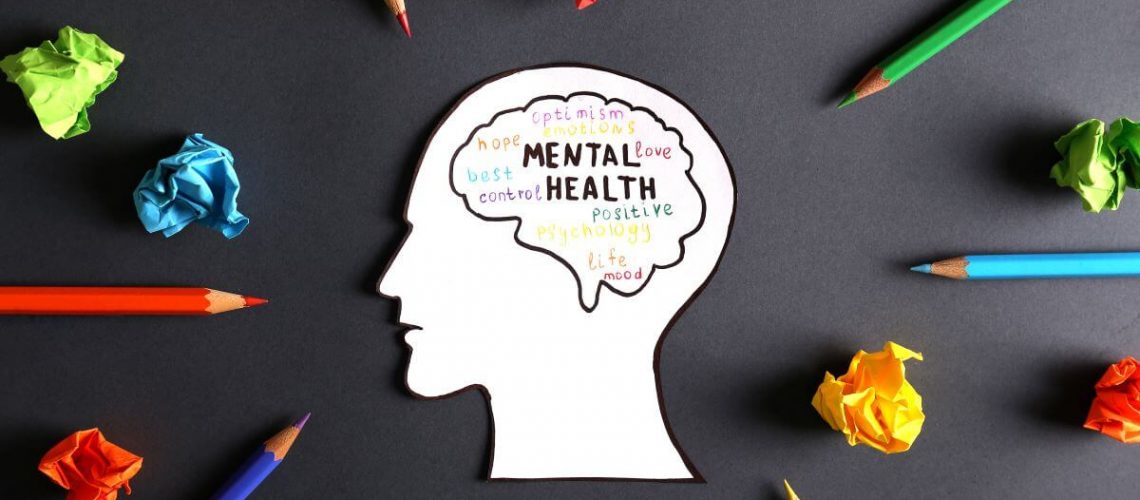
In today’s fast-paced world, maintaining peace of mind amidst work pressures, social obligations, and personal responsibilities is a growing challenge. Chronic busyness can lead to stress, burnout, and emotional imbalance. Implementing effective Mental health tips for maintaining peace in busy lives enables individuals to manage stress, enhance clarity, and foster overall wellbeing. By integrating mindful practices, structured routines, emotional regulation strategies, and self-care habits, individuals can create a sense of calm and balance, even in the most demanding schedules.
Understanding the Importance of Mental Peace
Mental peace is a state of inner calm, clarity, and emotional stability. It allows individuals to navigate life’s demands without feeling overwhelmed, enhances decision-making, and improves physical and mental health.
The Cost of Constant Busyness
Chronic busyness leads to stress, impaired focus, anxiety, fatigue, and decreased emotional resilience. Over time, this can result in burnout, strained relationships, and reduced productivity. Recognizing the impact of constant activity is the first step toward implementing effective strategies for peace.
The Benefits of Mental Calm
Maintaining mental peace improves emotional regulation, enhances resilience, supports physical health, and fosters better relationships. It also increases clarity, creativity, and overall life satisfaction.
How Peace Relates to Productivity
Contrary to common belief, slowing down and maintaining calm increases efficiency and focus. Mindful management of tasks reduces errors, prevents decision fatigue, and enhances cognitive performance.
Daily Mindfulness Practices
Mindfulness is a foundational tool for achieving peace in busy lives.
Mindful Breathing
Focusing on the breath allows the mind to anchor in the present moment, reducing anxiety and racing thoughts. Techniques such as diaphragmatic breathing, box breathing, or 4-7-8 breathing can be practiced anytime during the day.
Body Scan Meditation
Performing a daily body scan meditation increases awareness of physical tension and stress, helping to release tightness and cultivate calm. This practice promotes relaxation and emotional regulation.
Mindful Walking
Engaging in intentional walking while focusing on sensory experiences grounds the mind in the present and provides a mental break from continuous task-oriented thinking.
Gratitude Journaling
Recording daily moments of gratitude shifts focus from stressors to positive experiences, enhancing peace and emotional resilience. Regular practice improves mood and perspective.
Emotional Regulation for Calmness
Managing emotions effectively is essential to maintaining inner peace.
Recognizing Emotional Triggers
Identifying situations, interactions, or thoughts that provoke stress allows for proactive management. Awareness of triggers prevents emotional escalation and promotes controlled responses.
Cognitive Reframing
Reframing negative or stressful situations by focusing on constructive or neutral interpretations reduces emotional strain. This technique supports a balanced perspective and peace of mind.
Self-Compassion
Treating oneself with kindness and understanding during challenging moments reduces anxiety and promotes inner calm. Self-compassion encourages adaptive coping and resilience.
Pause and Reflect
Taking deliberate pauses before responding to stressors allows time to process emotions and make thoughtful decisions rather than reacting impulsively.
Structured Routines for a Peaceful Life
Organizing daily life is key to managing busyness and maintaining mental clarity.
Time Management and Prioritization
Creating schedules, setting priorities, and breaking tasks into manageable steps reduces overwhelm. Using tools such as planners, to-do lists, and digital reminders supports productivity without stress.
Incorporating Breaks
Regular breaks throughout the day allow for mental recovery, emotional regulation, and stress reduction. Short pauses enhance focus and prevent burnout.
Balanced Workload
Delegating responsibilities, saying no when necessary, and avoiding overcommitment prevent chronic stress and promote sustainable mental peace.
Evening Wind-Down Routine
Ending the day with calming activities such as reading, stretching, or meditation helps transition from activity to rest, ensuring restorative sleep and emotional balance.

Physical Practices to Support Mental Peace
Physical wellbeing directly affects mental calm and emotional regulation.
Regular Exercise
Engaging in physical activity reduces stress hormones, increases endorphin levels, and improves mood. Exercise also enhances cognitive clarity and energy levels. Practices such as yoga, swimming, or walking promote relaxation and mindfulness.
Nutrition for Calmness
Eating balanced meals with whole foods, lean proteins, fruits, and vegetables supports stable energy levels and emotional regulation. Avoiding excessive caffeine, sugar, and processed foods reduces irritability and anxiety.
Hydration
Adequate hydration maintains cognitive function and emotional stability. Dehydration can increase fatigue, irritability, and difficulty managing stress.
Sleep Hygiene
Quality sleep is essential for mental clarity, emotional regulation, and resilience. Establishing consistent sleep schedules, limiting screen time before bed, and creating a restful environment improve overall peace of mind.
Social Practices for Maintaining Calm
Healthy social interactions contribute to emotional balance and reduce stress.
Setting Boundaries
Clearly defining limits with friends, family, and colleagues prevents emotional exhaustion and maintains mental clarity. Boundaries allow individuals to engage without feeling overwhelmed.
Supportive Relationships
Building relationships with empathetic, understanding, and supportive individuals provides emotional validation and perspective, reducing stress and fostering calm.
Constructive Communication
Expressing thoughts and emotions clearly and respectfully prevents misunderstandings and relational stress, enhancing inner peace.
Community Engagement
Participating in community activities or volunteering fosters a sense of purpose and belonging, contributing to emotional stability and calmness.
Cognitive Strategies for Mental Clarity
Maintaining mental clarity is crucial in busy lives, allowing for informed decisions and stress reduction.
Focused Attention Practices
Engaging in activities that improve concentration, such as meditation, reading, or problem-solving exercises, enhances cognitive clarity and reduces mental clutter.
Mindful Multitasking
Prioritizing one task at a time while scheduling interruptions reduces cognitive overload. Mindful task management improves performance and preserves peace of mind.
Reflective Journaling
Recording thoughts, decisions, and experiences at the end of the day enhances self-awareness, promotes insight, and strengthens clarity in future choices.
Digital Detox
Limiting screen time and avoiding excessive social media engagement reduces information overload and mental fatigue, supporting cognitive clarity and peace.
Stress Management Techniques
Effectively managing stress preserves emotional balance and peace of mind.
Relaxation Techniques
Practices such as deep breathing, progressive muscle relaxation, and guided imagery reduce physiological stress responses and promote calmness.
Adaptive Coping Strategies
Engaging in problem-focused coping, seeking support, and using constructive methods to manage stress reduces negative emotional impact and fosters peace.
Work-Life Balance
Balancing professional obligations with personal time ensures that busyness does not overwhelm emotional and cognitive resources. Establishing boundaries and scheduling downtime are essential for long-term calm.
Regular Recovery
Engaging in restorative activities, hobbies, or mindfulness exercises allows emotional and mental recovery, ensuring sustained peace even in demanding schedules.
Long-Term Habits for Sustaining Peace
Maintaining calm in busy lives requires consistent long-term practices.
Routine Self-Care Integration
Daily self-care ensures replenishment of physical, emotional, and cognitive resources. Regular self-care prevents burnout and preserves mental peace.
Continuous Personal Growth
Engaging in lifelong learning, skill development, and personal reflection enhances adaptability, resilience, and perspective, reducing stress and supporting inner calm.
Reflection and Emotional Evaluation
Consistently reflecting on stressors, emotional responses, and coping strategies promotes insight and adaptive changes, ensuring sustainable peace.
Cultivating Mindful Awareness
Developing mindfulness as a lifestyle, rather than a sporadic practice, fosters consistent calm, focus, and emotional balance, even during periods of high activity.
Integrating Mental Health Tips into Daily Life
Practical integration of mental health strategies ensures sustained peace and clarity.
Morning Rituals
Begin each day with reflection, intention-setting, and mindful practices to prepare for anticipated challenges and maintain a calm mindset.
Midday Mindful Breaks
Taking intentional breaks to breathe, stretch, or reflect on emotional state refreshes energy, focus, and emotional balance.
Evening Wind-Down
Ending the day with relaxation, journaling, or meditation transitions the mind from activity to rest, promoting restorative sleep and clarity.
Regular Assessment
Periodically evaluate routines, stress levels, and coping strategies to ensure practices remain effective and aligned with personal needs.
Conclusion
Maintaining peace in busy lives requires consistent attention to emotional, cognitive, and physical wellbeing. By applying mental health tips such as mindfulness, emotional regulation, structured routines, physical self-care, reflective journaling, boundary-setting, and adaptive coping strategies, individuals can create a sustainable sense of calm amidst daily demands. Consistent practice enhances resilience, reduces stress, improves mental clarity, and fosters long-term emotional and psychological wellbeing. Unlock the full value of our platform—visit the homepage to explore more.
FAQs
How can I maintain peace in a constantly busy life?
Maintaining peace involves implementing mindfulness practices, emotional regulation, structured routines, self-care, and setting healthy boundaries. Regular reflection, breaks, and adaptive coping strategies ensure sustained calm despite high demands.
What daily practices support mental clarity in busy schedules?
Daily practices such as focused attention exercises, reflective journaling, prioritization, mindfulness, and digital detox improve cognitive clarity, reduce mental clutter, and enhance decision-making.
Can establishing boundaries really reduce stress and enhance peace?
Yes. Clear boundaries protect emotional and cognitive resources, prevent overwhelm, and allow for constructive engagement in both personal and professional relationships, fostering sustained peace of mind.
 admin
admin